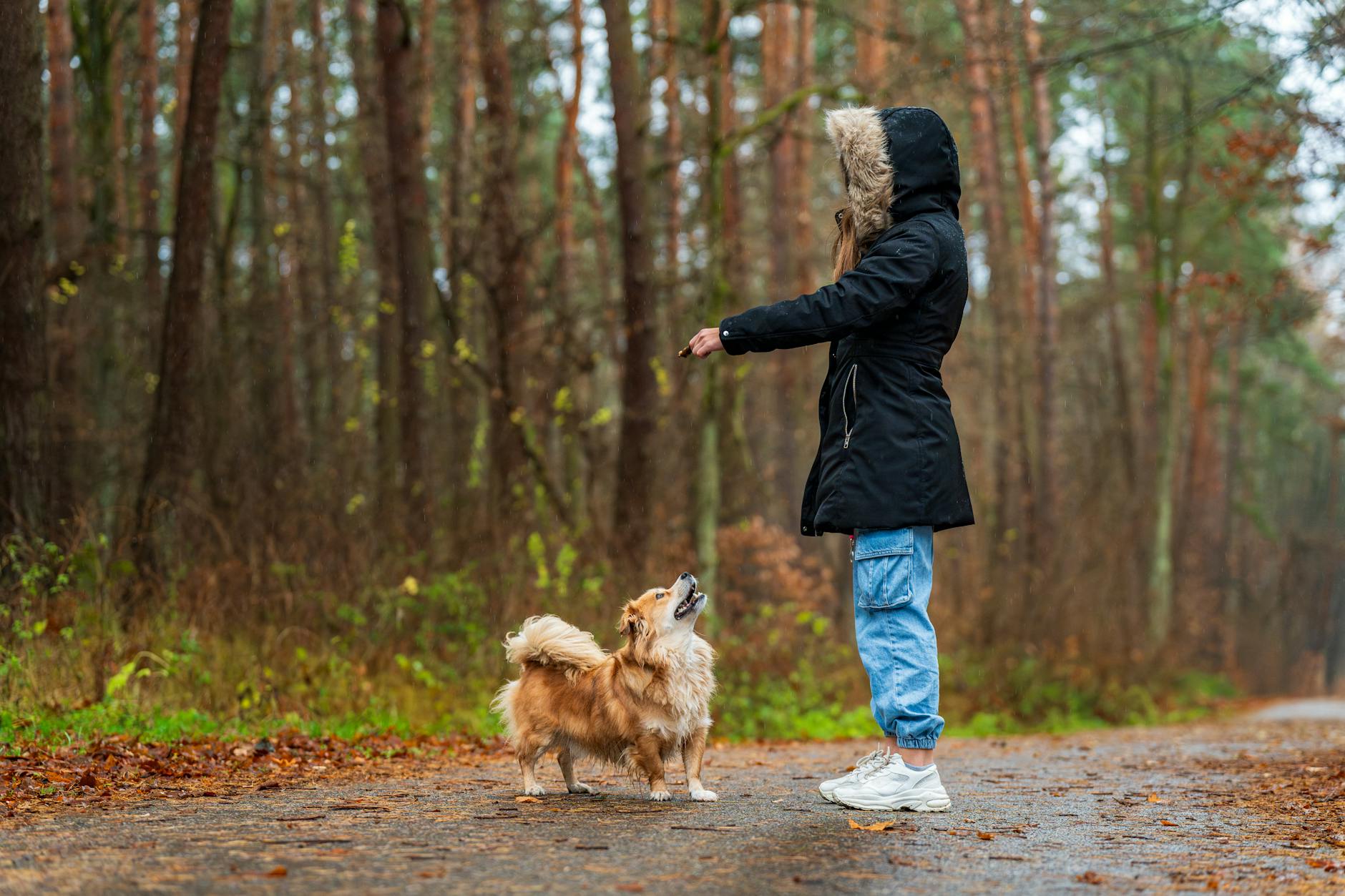
Mastering the Walk: A Comprehensive Guide to Effective Leash Training for Your Dog
Estimated Reading Time: 13 minutes
Key Takeaways
- Positive reinforcement and consistency are crucial for effective leash training.
- Choosing the right gear, such as a front-clip harness and a standard leash, is important for success.
- Gradually introduce your dog to new environments, starting with low-distraction areas and moving to more challenging ones as they progress.
- Techniques like the “Stop-and-Go” method and “Change of Direction” are effective for teaching loose-leash walking.
- Patience and specific strategies are essential for addressing common challenges like pulling, reactivity, and refusal to walk.
Table of Contents
- Why Leash Training Matters: Benefits for Both of You
- Choosing the Right Gear: Collars, Harnesses, and Leashes
- Pre-Leash Training Fundamentals: Setting the Stage for Success
- The Leash Training Journey: Step-by-Step Techniques
- Overcoming Common Leash Training Challenges
- Maintaining Consistency and Advancing Skills
- Veterinary Note
- Your Daily Leash Training Practice Checklist
- Troubleshooting Common Leash Problems
- Frequently Asked Questions About Leash Training
- Conclusion: Enjoy the Walk!
- Sources & Further Reading
- Related Keywords & Phrases
- Internal Links You Might Enjoy
Walking your dog should be a joyful experience for both of you – a time for exploration, exercise, and strengthening your bond. However, a dog that pulls, lunges, or balks on the leash can turn what should be a pleasant outing into a frustrating chore. This comprehensive guide delves into the world of leash training, equipping you with the knowledge and techniques to teach your canine companion to walk politely by your side, transforming every walk into a delightful adventure. By understanding the principles of positive reinforcement and consistent practice, you can ensure a safer, happier, and more harmonious experience outdoors.
The goal of effective leash training is not just about control, but about building clear communication and mutual respect between you and your dog. When your dog understands how to walk calmly on a leash, they gain more freedom to explore different environments safely, enhance their socialization skills, and receive the physical and mental stimulation crucial for their well-being. This article will cover everything from selecting the right equipment and establishing foundational behaviors to troubleshooting common challenges and maintaining good habits for life.
Why Leash Training Matters: Benefits for Both of You
A well-trained dog on a leash isn’t just a sign of good manners; it’s a foundation for a richer, safer life together. Understanding the benefits can motivate both you and your dog throughout the training process:
- Safety First: For your dog, for other people, and for other animals. A dog under control is less likely to dart into traffic, chase wildlife, or approach strangers inappropriately. In many areas, leash laws are in place precisely for this reason.
- Enhanced Exercise & Mental Stimulation: With proper leash manners, you can confidently take your dog to more places – parks, walking trails, pet-friendly establishments. This allows for varied exercise routines and exposure to new sights, sounds, and smells, which are vital for a dog’s mental well-being.
- Stronger Bond: Effective communication on the leash strengthens the trust and understanding between you and your dog. When walks are enjoyable, they become a positive shared experience, reinforcing your connection.
- Improved Socialization: A dog that walks politely is more likely to have positive interactions with other dogs and people, fostering good social skills.
- Reduced Stress for Owners: No longer dreading walks because of pulling or lunging means more relaxed outings for you, making dog ownership even more rewarding.
Choosing the Right Gear: Collars, Harnesses, and Leashes
The right equipment is fundamental to successful leash training. What works best for one dog may not be ideal for another, so consider your dog’s size, breed, temperament, and specific training needs.
Collars:
- Flat Buckle or Quick-Release Collar: Standard everyday collars, suitable for ID tags. For training, they offer minimal control if your dog pulls heavily, but are fine for dogs learning loose-leash walking. Ensure a snug fit – you should be able to comfortably fit two fingers under the collar.
- Martingale Collar: A type of collar that tightens slightly when the dog pulls, preventing them from backing out. It’s often recommended for sight hounds or dogs with narrow heads. It should never be used as a constant choke collar.
- Head Halter (e.g., Halti, Gentle Leader): Resembles a horse halter, fitting around your dog’s muzzle and behind their ears. It gives you control over your dog’s head, and where the head goes, the body often follows. Can be very effective for strong pullers but requires positive introduction to prevent aversion.
Harnesses:
- Back-Clip Harness: The leash attaches to a ring on your dog’s back. Comfortable for many dogs, but can encourage pulling as dogs have a strong “opposition reflex” – they pull against pressure. Suitable for dogs who already walk well or for very small dogs.
- Front-Clip Harness (e.g., Easy Walk, Sensation Harness): The leash attaches to a ring on your dog’s chest. When your dog pulls, the leash redirects them sideways, guiding them back towards you. This makes it a popular choice for managing moderate to strong pullers without discomfort.
- No-Pull Harnesses: This category includes various designs, often combining elements of front-clip and pressure points to discourage pulling. Always research and choose reputable brands.
Leashes:
- Standard 4-6 Foot Leash: Made of nylon, leather, or rope, this is the most recommended leash for daily walks and training. It provides enough length for your dog to explore a little but keeps them close for control.
- Long Line (10-30+ feet): Excellent for practicing recall and supervised exploration in safe, open areas. Not suitable for regular street walks as it gives too much length for control.
- Retractable Leashes: Generally NOT recommended for training or everyday walks. They teach dogs that pulling extends their range, offer little control in emergencies, and can cause severe injuries to dogs and owners. Avoid them during the initial leash training phase.
When selecting gear, prioritize comfort, safety, and effectiveness. Always check the fit of collars and harnesses regularly, especially for growing puppies.
Pre-Leash Training Fundamentals: Setting the Stage for Success
Before you even step out the door, lay a strong foundation:
- Positive Reinforcement: This is the cornerstone of effective dog training. Reward desired behaviors (like walking calmly) with high-value treats, praise, or toys. Avoid punishment, which can create fear and anxiety around the leash and walks.
- Basic Obedience: A “Sit” or “Stay” command can be incredibly useful, especially at crosswalks or when encountering distractions. A reliable “Come” (recall) is also a valuable safety net.
- High-Value Rewards: Identify what your dog loves most. For some, it’s small pieces of chicken; for others, a squeaky toy. These rewards will be your most powerful tools during training.
- Short, Frequent Sessions: Dogs, especially puppies, have short attention spans. Aim for 5-10 minute training sessions multiple times a day rather than one long, tedious session.
- Manage the Environment: Start training in a quiet, low-distraction area (indoors or a backyard) and gradually introduce more stimulating environments as your dog progresses.
The Leash Training Journey: Step-by-Step Techniques
Leash training is a gradual process that builds confidence and positive associations.
Introducing the Gear Positively
Before attaching the leash, ensure your dog is comfortable wearing their collar or harness.
- Collar/Harness Association: Put the collar/harness on your dog for short periods while doing something enjoyable, like feeding them or playing. Immediately remove it after the positive experience. Gradually increase the duration.
- Leash Association: Once comfortable with the gear, attach the leash indoors for a few minutes while supervising. Let your dog drag it around (if safe to do so and not a tripping hazard). Reward them for ignoring it. This helps them associate the leash with normalcy, not just walking.
First Steps: Indoor Practice
Start in a distraction-free zone, like your living room.
- Lure and Reward: Hold a high-value treat near your dog’s nose, luring them to walk a few steps by your side. As they walk politely (even just for a step or two) without pulling, mark the behavior with a verbal cue (“Yes!” or a clicker) and immediately give the treat.
- Short Distances: Practice walking a few steps, rewarding, then releasing your dog. Gradually increase the number of steps.
- Change Directions: If your dog starts to pull, stop immediately. Wait for the leash to slacken, then change direction. This teaches them that pulling gets them nowhere, but keeping the leash loose allows movement.
Taking It Outside: Controlled Environments
Once your dog is walking well indoors, move to a quiet outdoor area, like your backyard or a calm street.
- Short Walks: Keep initial outdoor sessions very short (5-10 minutes) and focused on success.
- Manage Distractions: Be aware of potential distractions. If your dog gets distracted, use your cue to get their attention, reward, and keep moving. If they’re too overwhelmed, move to a quieter spot.
- Consistency is Key: Practice these skills on every walk, even if it’s just for a small portion of the walk.
Mastering Loose-Leash Walking Techniques
The goal is a “J” shaped leash – always slack, never taut.
- The “Stop-and-Go” Method:
- Start walking. The moment your dog puts tension on the leash, immediately stop.
- Stand perfectly still. Do not move forward until the leash slackens, even if it’s for a second. This might involve your dog looking back at you, sitting, or taking a step back.
- As soon as the leash is loose, say “Yes!” or click, reward, and immediately start walking again.
- Repeat. Your dog will quickly learn that pulling stops the walk, and a loose leash keeps it going.
- The “Change of Direction” Method:
- As your dog starts to forge ahead or pull, calmly and without jerking the leash, change your direction. Walk left, right, or even turn around.
- Your dog will have to reorient themselves to keep up, often resulting in a loose leash.
- As they catch up and the leash slackens, reward them.
- This teaches your dog to pay attention to where you’re going and to maintain a loose leash to avoid being pulled off balance.
- Lure and Reward Continuously: Continue to use treats to reward your dog for walking politely by your side. You can hold a treat at your hip, moving it to keep their attention, and rewarding frequently for staying in position. Gradually fade the lure, but keep rewarding intermittently.
- Verbal Cues: Introduce a verbal cue like “Let’s Go!” or “Walk Nice” as you start walking. This helps your dog associate the cue with the desired behavior.
Overcoming Common Leash Training Challenges
Even with the best techniques, you might encounter bumps in the road. Patience and persistence are your allies.
Pulling on the Leash
This is arguably the most common leash training issue. Dogs pull because it often works for them – it gets them closer to what they want!
- Review Fundamentals: Revisit the “Stop-and-Go” and “Change of Direction” methods. Consistency is crucial here.
- Use a Front-Clip Harness or Head Halter: These tools can physically discourage pulling by redirecting your dog’s momentum without causing pain. Always introduce them positively.
- Reward Proximity: Consistently reward your dog for choosing to walk near you, even when not actively training.
- Be a Tree: When your dog pulls, stop dead in your tracks, becoming an unmovable tree. Only move when the leash slackens.
Distraction Management
The world is full of exciting smells, sights, and sounds that can derail a dog’s focus.
- Start Simple: Begin training in low-distraction environments and gradually increase the level of distraction as your dog improves.
- High-Value Rewards: In distracting environments, you’ll need even higher-value treats to capture your dog’s attention.
- “Look at Me” Command: Teach your dog to make eye contact on cue. Practice this in various environments. When a distraction appears, use the “Look at Me” cue, reward, and then proceed.
- Engage/Disengage Game: This game helps your dog learn to see a distraction, look at you, and then be rewarded. When your dog notices a trigger (e.g., another dog), click/mark and reward for simply noticing it and looking back at you (disengaging) before they react. The goal is to change their emotional response from “I need to get to that!” to “Oh, something interesting! I’ll look at my human for a treat!”
Reactivity (Lunging & Barking)
Some dogs react strongly to specific triggers (other dogs, people, cars) while on leash, often by lunging, barking, or growling. This is often fear-based or frustration-based, not aggression.
- Identify Triggers: Understand what causes your dog to react and what their threshold distance is (how close can they be before reacting?).
- Management First: Avoid triggers whenever possible. Cross the street, turn around, or find different walking routes. The goal is to prevent your dog from practicing the reactive behavior.
- Desensitization and Counter-Conditioning: This is a powerful, long-term approach.
- Find a distance where your dog can see the trigger but is still calm enough to take treats (below threshold).
- When the trigger appears, immediately start feeding high-value treats rapidly.
- When the trigger disappears, stop feeding.
- The goal is for your dog to associate the trigger with good things (treats), changing their emotional response.
- Seek Professional Help: If your dog’s reactivity is severe or you’re struggling to manage it, consult a certified professional dog trainer or a veterinary behaviorist. They can provide tailored guidance and may rule out underlying medical issues.
Refusal to Walk
Some dogs may suddenly stop, sit, or even lie down, refusing to move.
- Investigate the Cause:
- Pain/Discomfort: Check paws for injuries, look for limping, or signs of joint pain. A trip to the vet is highly recommended to rule out medical issues.
- Fear/Anxiety: Is there something in the environment (a strange object, a loud noise, a specific person) that makes your dog anxious?
- Equipment Discomfort: Is the collar or harness rubbing or ill-fitting?
- Overwhelm: Is the environment too stimulating?
- Positive Association: If it’s fear-based, create positive associations. Bring high-value treats or a favorite toy. Walk in very quiet, familiar areas.
- Gentle Encouragement: Avoid dragging or forcing your dog. Coax them with treats, praise, and a happy tone. If they move even one step, reward them.
- Change of Scenery: Sometimes, simply taking a different route or going to a completely new, calm park can help break the cycle.
Maintaining Consistency and Advancing Skills
Leash training isn’t a one-and-done event; it’s an ongoing process.
- Consistency Across All Walkers: Ensure everyone who walks your dog uses the same commands and techniques.
- Short, Frequent Refreshers: Even well-trained dogs benefit from occasional short training sessions to reinforce good habits.
- Proofing: Gradually introduce more challenging environments, longer distances, and different types of distractions. This helps your dog generalize their loose-leash skills.
- The “Heel” Command: Once your dog is proficient in loose-leash walking, you can introduce a “Heel” command for more formal, precise walking where your dog’s shoulder stays perfectly aligned with your leg. This is an advanced skill often used in dog sports or crowded situations.
Veterinary Note
While this article provides comprehensive training advice, please remember that sudden changes in your dog’s behavior, such as refusing to walk, increased reactivity, or signs of discomfort, may indicate an underlying health issue. Always consult your veterinarian to rule out any medical conditions that could be affecting your dog’s behavior or ability to walk comfortably before attributing issues solely to training needs. Your vet can provide a proper diagnosis and recommend appropriate care or specialist referrals if necessary.
Your Daily Leash Training Practice Checklist
Use this checklist to ensure you’re consistently reinforcing positive leash behaviors:
- ✓ Check Equipment: Is the collar/harness well-fitting and comfortable?
- ✓ Prepare Rewards: Have high-value treats ready and easily accessible.
- ✓ Start Calmly: Ensure your dog is calm before attaching the leash and heading out.
- ✓ Practice Indoors (Optional): A quick 2-minute loose-leash walk inside before a longer outdoor walk can set the tone.
- ✓ Reward Initial Calmness: Mark and reward your dog for calm behavior at the door and when first stepping outside.
- ✓ Implement “Stop-and-Go” or “Change of Direction”: Consistently use these methods whenever the leash tightens.
- ✓ Reward Loose Leash: Frequently mark and reward your dog for walking with a slack leash.
- ✓ Manage Distractions: Stay vigilant and use cues (“Look at Me”) or avoidance tactics to prevent over-arousal.
- ✓ Keep Sessions Positive: End each session on a good note, even if it means finishing with an easy success.
- ✓ Be Consistent: Ensure all family members follow the same rules and cues.
- ✓ Observe & Adapt: Pay attention to your dog’s body language and adjust your approach as needed.
Troubleshooting Common Leash Problems
| Problem | Possible Causes | Solutions & Tips |
|---|---|---|
| Excessive Pulling | Excitement, opposition reflex, lack of training, inappropriate gear. | Use a front-clip harness or head halter. Implement “Stop-and-Go” or “Change of Direction” methods consistently. Reward heavily for loose-leash moments. Increase exercise before walks. |
| Lunging/Barking at Triggers | Fear, frustration, over-arousal, lack of socialization, genetics. | Identify and avoid triggers (management). Practice desensitization and counter-conditioning from a safe distance. Seek professional help from a certified trainer or veterinary behaviorist. |
| Refusal to Walk / “Planting” | Pain/injury, fear of environment, past negative experience, uncomfortable gear, feeling overwhelmed. | Consult a vet to rule out medical issues. Make walks fun and rewarding (high-value treats). Start in quiet, familiar areas. Avoid forcing; coax gently. Try a different route. |
| Chewing on Leash | Puppy teething, boredom, anxiety, attention-seeking. | Provide appropriate chew toys before and after walks. Spray leash with a bitter apple deterrent (check safety). Redirect with a toy or treat. Ensure adequate mental/physical stimulation. |
| Spinning/Twisting on Leash | Excitement, attempting to chase tail, trying to get to a specific scent/object, seeking attention. | Stop immediately. Wait for all four paws on the ground and eye contact before proceeding. Redirect attention with a “Sit” command or treat. Avoid rewarding the spinning. |
| Constant Sniffing / Not Moving | Natural dog behavior (exploring), lack of focus, trying to mark territory. | Designate specific “sniff zones” during a walk, but also practice periods of walking without sniffing. Use a “Let’s Go!” cue to encourage forward movement, rewarding when they comply. |
Frequently Asked Questions About Leash Training
Q1: How long does it take to leash train a dog?
A1: The timeline varies greatly depending on the dog’s age, breed, past experiences, your consistency, and the amount of time you dedicate to training. For puppies, basic loose-leash walking can be established in a few weeks of consistent daily practice. For adult dogs with ingrained pulling habits, it may take several months to re-train. Remember, it’s a journey, not a destination.
Q2: Can you leash train an older dog?
A2: Absolutely! You can teach an old dog new tricks, including walking politely on a leash. While it may require more patience and consistency to break old habits, an older dog can learn just as effectively as a puppy. The principles of positive reinforcement remain the same.
Q3: What’s the best age to start leash training a puppy?
A3: You can start introducing a collar and leash as early as 8-10 weeks old. Begin with short, positive sessions indoors, letting them get comfortable with the gear. Once they’ve had their initial vaccinations and are cleared by your vet, you can gradually introduce them to quiet outdoor environments for very short walks.
Q4: Should I use a retractable leash for training?
A4: For foundational leash training and everyday walks, retractable leashes are generally not recommended. They teach dogs that pulling extends their range, offer less control in emergencies, and can create safety hazards for both dog and owner. A standard 4-6 foot leash is much more effective for teaching loose-leash walking.
Q5: My dog seems scared of the leash. What should I do?
A5: If your dog shows fear, start by pairing the leash with positive experiences. Let them sniff the leash, then immediately give a treat. Gradually progress to touching them with it, then clipping it on for a second (and immediately removing it with a treat). Make every interaction with the leash a positive, low-pressure experience until their fear subsides.
Q6: What if my dog gets easily distracted by everything outside?
A6: This is very common. Start training in the least distracting environment possible (indoors, then a quiet backyard). Gradually introduce mild distractions. Use extremely high-value treats to capture and maintain your dog’s attention. Practice commands like “Look at Me” repeatedly in various settings. If a distraction is too much, increase your distance from it or move to a different area.
Q7: How often should I practice leash training?
A7: Consistency is more important than duration. Aim for 5-10 minute training sessions multiple times a day, especially with puppies. Even adult dogs benefit from incorporating loose-leash practice into every walk, even if it’s just for a portion of the time. Short, frequent, and positive interactions yield the best results.
Conclusion: Enjoy the Walk!
Effective leash training is one of the most valuable skills you can teach your dog, opening up a world of shared adventures and strengthening the unique bond you share. Remember, patience, positive reinforcement, and consistency are your greatest tools. There will be good days and challenging days, but with dedication, you can transform frustrating walks into joyful experiences for both you and your canine companion. Start small, celebrate every success, and never hesitate to seek professional guidance if you encounter persistent difficulties. Embrace the journey, and soon you’ll be enjoying harmonious strolls with a well-behaved and happy dog by your side.
Sources & Further Reading
- AKC: Leash Training 101: How to Train a Dog to Walk on a Leash
- ASPCA: Leash Pulling
- The Humane Society of the United States: Teach Your Dog to Walk on a Loose Leash
- PetMD: How to Choose the Best Harness for Your Dog
- Companion Animal Psychology: The Myth of the Alpha Dog (Understanding positive reinforcement)
- Patricia McConnell: Leash Pulling Solutions
- Preventive Vet: Ret retractable Leashes: Should You Use One?
- Dog Listener: Why Dogs Pull On The Lead and How To Stop It
Related Keywords & Phrases
- Dog walking etiquette
- Loose leash walking techniques
- Puppy leash training tips
- Stop dog pulling on leash
- Reactive dog leash training
- Best leashes for training dogs
- How to teach a dog to heel
- Leash manners for dogs
- Dog lead training exercises
- Walking a dog without pulling