
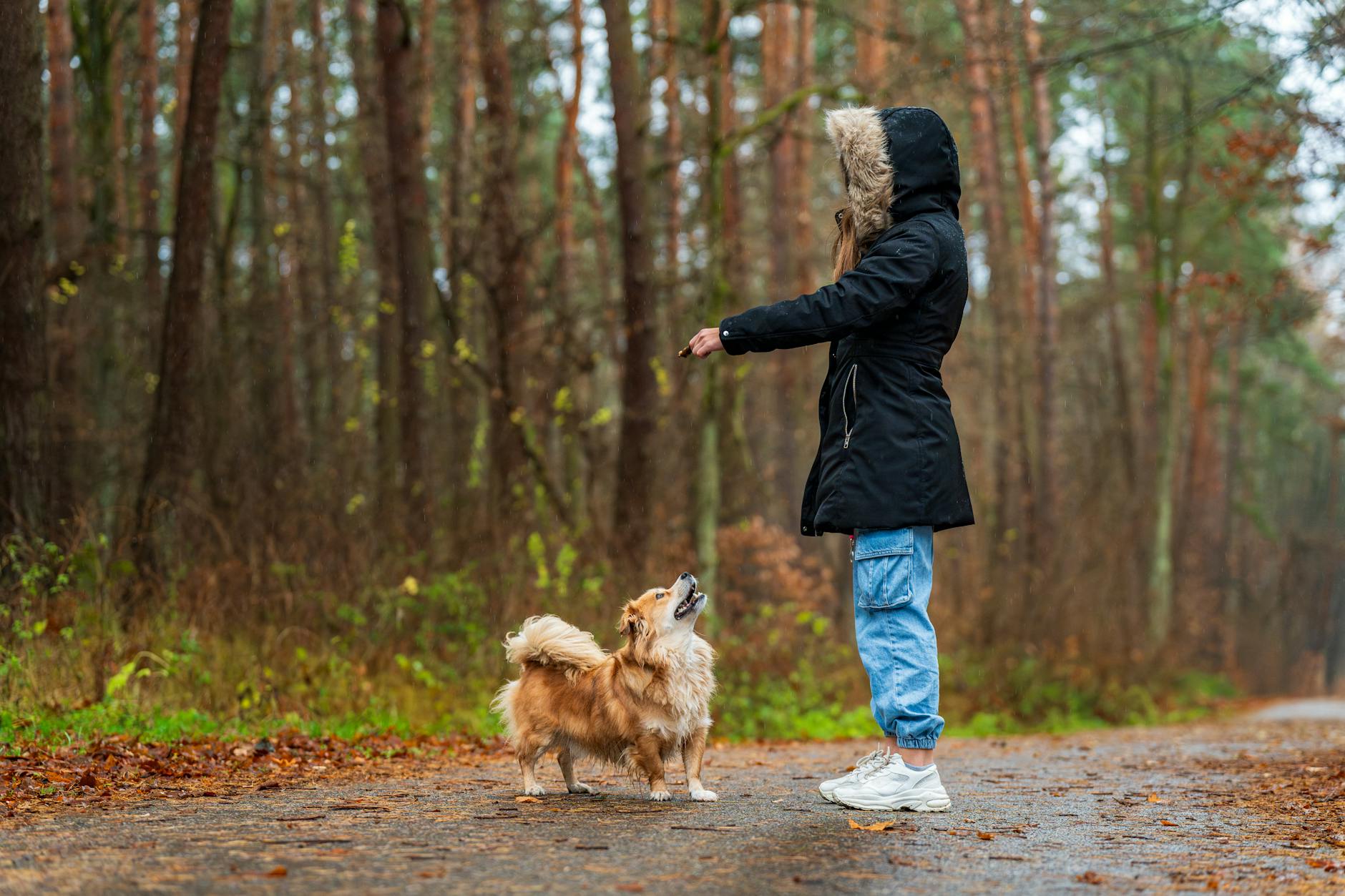
Master Your Canine Companion: The Definitive Guide to Positive Reinforcement Dog Training
Estimated reading time: 18 minutes
Key Takeaways
- Positive reinforcement is a humane and evidence-based training method that builds trust and strengthens the dog-owner bond by rewarding desired behaviors.
- Understanding your dog’s body language is fundamental to effective communication, allowing you to tailor training and respond to their emotional state.
- Early socialization and foundational skills like potty training, crate training, and basic obedience cues (Sit, Stay, Come) are crucial for developing a well-adjusted and confident companion.
- Common behavioral challenges such as excessive barking, chewing, jumping, and leash pulling can be effectively managed and resolved using consistent positive reinforcement strategies.
- For persistent or severe behavioral issues, seeking guidance from a certified professional dog trainer or veterinary behaviorist is highly recommended.
Table of Contents
- Understanding Your Dog: The Foundation of Positive Training
- Puppy Basics: Setting the Stage for Success
- Building Blocks of Obedience: Foundation Cues
- Tackling Common Behavior Challenges with Positivity
- The BarkNosh Positive Training Checklist
- When to Seek Professional Help
- Frequently Asked Questions About Dog Training
- Conclusion
- Related Keywords/Phrases
- Internal Links
- Sources & Further Reading
Understanding Your Dog: The Foundation of Positive Training
Before diving into specific training techniques, it’s crucial to understand the fundamental principles that govern canine behavior and how they relate to effective training. Dogs are intelligent, sentient beings, and like us, they learn through consequences. Positive reinforcement leverages this natural learning process in a humane and scientifically sound way.
The Power of Positive Reinforcement
At its core, positive reinforcement involves adding something desirable to the environment immediately after a dog performs a desired behavior, making it more likely that the dog will repeat that behavior in the future. This “something desirable” can be anything your dog values: a tasty treat, a favorite toy, verbal praise, or a quick game of tug. The key is to deliver the reward promptly (within 1-3 seconds) so your dog clearly associates the reward with the specific action they just performed.
This approach stands in stark contrast to punitive methods, which rely on corrections or aversives to stop unwanted behaviors. While punishment might suppress a behavior in the short term, it often comes with significant drawbacks. It can damage the dog-owner bond, create fear or anxiety, and may not teach the dog what to do instead, potentially leading to new, undesirable behaviors or aggression. Positive reinforcement, on the other hand, builds confidence, fosters a joyful learning environment, and strengthens the trust between you and your dog, leading to lasting results and a happier, more resilient companion.
Imagine teaching your dog to sit. Each time their rear touches the ground, you immediately say “Yes!” and offer a high-value treat. Your dog quickly learns that “sit” equals a positive outcome, and they become eager to offer that behavior. This method empowers your dog to make good choices and enjoy the training process.
Decoding Canine Communication: Body Language Basics
Dogs communicate constantly, not through words, but through a rich tapestry of body language, vocalizations, and scent. Learning to “speak dog” is one of the most valuable skills you can develop as an owner, as it allows you to understand your dog’s emotional state, anticipate their needs, and prevent potential issues. Being attuned to your dog’s signals is fundamental to positive reinforcement, as it helps you identify stress, fear, excitement, or discomfort, ensuring your training is always gentle and effective.
Key body language signals to observe include:
- Tail Position and Movement: A high, fast-wagging tail might indicate excitement, but a low, tucked tail usually signals fear or submission. A relaxed, mid-level wag often indicates contentment.
- Ear Position: Ears forward and attentive suggest engagement, while flattened ears can indicate fear or anxiety.
- Eye Contact: Soft, blinking eyes usually mean a relaxed dog. Hard staring can be a challenge, while averted gaze or “whale eye” (showing the whites of their eyes) can signal stress or discomfort.
- Mouth and Lips: A relaxed, slightly open mouth with a loose tongue can show happiness. Licking lips, yawning (when not tired), or a tight, closed mouth can be signs of stress. Growling or baring teeth are clear warnings.
- Overall Posture: A loose, fluid posture indicates comfort. A stiff, rigid body might precede a reactive behavior. Lowered body or “cowering” indicates fear.
By regularly observing these cues, you can better understand your dog’s reactions to different situations and adjust your training or environment accordingly. For example, if your dog is showing signs of stress (lip-licking, yawning, averted gaze) in a particular training scenario, it’s a signal to reduce the pressure, take a break, or make the task easier.
Puppy Basics: Setting the Stage for Success
Bringing a new puppy home is an exciting time, and the early weeks and months are crucial for shaping their future behavior. Establishing positive habits from the start makes a world of difference. Puppyhood is a prime opportunity to lay the groundwork for a well-adjusted, confident adult dog through thoughtful socialization and foundational training.
Early Socialization: A Critical Window
The socialization period for puppies, typically between 3 to 16 weeks of age, is a critical window during which they learn about the world and how to interact with it. Positive experiences during this time can help prevent fear, anxiety, and aggression later in life. Socialization is not just about meeting other dogs; it’s about carefully exposing your puppy to a wide variety of sights, sounds, smells, people, and environments in a controlled and positive manner.
Aim for:
- Positive Encounters with People: Different ages, genders, appearances (hats, glasses, uniforms).
- Exposure to Various Environments: Parks, pet-friendly stores (after vaccinations), car rides, different floor textures.
- Diverse Sounds: Household noises (vacuum, doorbell), traffic, children playing, sirens (at a distance).
- Appropriate Play with Other Dogs: Ensure interactions are with vaccinated, friendly, and well-socialized adult dogs or puppies of similar size/temperament. Always supervise closely.
Always prioritize quality over quantity. A few positive, calm experiences are far more beneficial than overwhelming your puppy. Use treats and praise to create positive associations with new stimuli. If your puppy seems fearful or stressed, remove them from the situation gently and try again at a lower intensity or distance. Consult your veterinarian for advice on safe socialization timelines regarding vaccinations.
Potty Training & Crate Training Essentials
These two foundational skills are often the first challenges new puppy owners face, but with consistency and positive reinforcement, they can be mastered relatively quickly.
Potty Training:
The goal is to teach your puppy to eliminate outdoors, not inside your home. This requires a consistent schedule, supervision, and immediate positive reinforcement.
- Schedule: Take your puppy out frequently – first thing in the morning, last thing at night, after waking from naps, after playing, and after eating/drinking.
- Designated Spot: Always take your puppy to the same potty spot outside.
- Reward Success: As soon as your puppy finishes eliminating outside, immediately offer enthusiastic praise and a high-value treat. Make it a celebration!
- Cleanup Accidents: If an accident happens indoors, clean it thoroughly with an enzymatic cleaner to eliminate odors that might attract your puppy back to the same spot. Do not punish your puppy for accidents; they don’t understand punishment after the fact. Instead, focus on preventing future accidents through better supervision and scheduling.
Crate Training:
A crate can be a puppy’s safe den, aiding in potty training, providing a secure space, and preventing destructive behaviors when unsupervised. Introduce the crate positively:
- Positive Association: Make the crate a desirable place. Feed meals inside, toss treats in, and offer special toys only available in the crate.
- Gradual Introduction: Start with short periods, with the door open, then gradually close the door for increasing durations. Never use the crate as punishment.
- Comfort: Ensure the crate is appropriately sized (large enough to stand, turn around, and lie down comfortably, but not so large that they can potty in one corner and sleep in another) and has a comfy bed.
Both potty and crate training require patience. Consistency is your most powerful tool.
Building Blocks of Obedience: Foundation Cues
Once your puppy is settling in, it’s time to introduce foundational obedience cues. These aren’t just tricks; they are essential life skills that ensure your dog’s safety, provide mental stimulation, and facilitate harmonious living. Positive reinforcement makes learning these cues fun and rewarding for both of you.
When teaching any cue, remember the three P’s: patience, praise, and plenty of positive reinforcement. Keep training sessions short, frequent, and upbeat. Always end on a positive note, even if it means asking for an easy cue and rewarding heavily.
Here are some essential foundation cues to start with:
| Cue | How to Teach (Positive Reinforcement) | Primary Reward | Why It’s Important |
|---|---|---|---|
| Sit | Lure your dog into a sit by holding a treat near their nose and moving it slowly up and over their head, causing their rear to lower. Mark (e.g., “Yes!”) and reward immediately when their rear touches the ground. Repeat. | High-value treat, verbal praise | Basic control, polite greetings, waiting for food/doors. |
| Stay | Start with “Sit.” Ask for “Stay,” take one step back, then immediately return and reward. Gradually increase distance and duration. If your dog moves, gently reset them and try again. | Treat, praise, freedom (e.g., “Okay! Go play!”) | Safety in public, waiting politely, impulse control. |
| Come (Recall) | Start in a quiet, distraction-free area. Say “[Dog’s Name], Come!” in an excited voice, back up a few steps, and reward generously when they reach you. Make coming to you the most wonderful thing ever. | Jackpot treats (several treats), favorite toy, enthusiastic praise | Crucial for off-leash safety, preventing escapes. |
| Down | From a sit, lure with a treat from their nose to the floor between their paws, then slowly out, causing them to lie down. Mark and reward when their elbows touch the floor. | High-value treat, calm praise | Relaxation, long stays, impulse control in exciting situations. |
| Leash Manners (Loose Leash Walking) | Reward your dog for walking with a loose leash. When the leash is slack, click or say “Yes!” and reward. If they pull, stop walking until the leash loosens, then resume. Never pull back. | Treats, forward movement, praise | Enjoyable walks, safety around traffic, prevents injury. |
| Leave It | Start with a low-value treat in your closed hand. Say “Leave It.” When your dog stops trying to get the treat in your hand, mark and reward with a *different*, higher-value treat. Gradually progress to leaving items on the floor. | High-value treat (not the item they left), praise | Safety (avoiding dangerous items), impulse control, prevents counter-surfing. |
Remember to practice these cues in various environments, gradually adding distractions, to help your dog generalize their understanding. Start in a quiet room, then move to the backyard, then a park, always ensuring success before increasing difficulty.
Tackling Common Behavior Challenges with Positivity
Even the best-trained dogs can exhibit behaviors that owners find challenging. The key is to understand the underlying reasons for the behavior and then apply positive, humane strategies to teach an alternative, more desirable action. Never punish your dog for these behaviors, as it can escalate fear or confusion.
Excessive Barking: Understanding the “Woof”
Barking is a natural canine behavior, but when it becomes excessive, it can be frustrating. Dogs bark for many reasons: attention-seeking, boredom, fear, territoriality, alert, or excitement. Understanding the “why” is the first step to managing it.
Positive Strategies:
- Identify the Trigger: Is it the mail carrier? Other dogs? Loneliness? Once identified, you can manage the environment.
- Management: For territorial barking, use privacy film on windows or keep your dog in a different room when triggers are present. For attention-seeking, ignore the barking (if safe to do so) and reward quiet behavior.
- Teach a “Quiet” Cue: Allow a few barks, then interrupt with a treat near their nose. When they quiet down to sniff the treat, mark “Quiet!” and reward. Gradually increase the duration of silence before rewarding.
- Enrichment: If boredom is the cause, increase exercise, provide puzzle toys, and engage in mental stimulation activities. A tired dog is often a quiet dog.
- Counter-Conditioning: If barking at specific triggers (e.g., doorbell), pair the trigger with something positive. Ring the doorbell softly, then immediately give a treat. Gradually increase the intensity of the trigger.
Chewing: Redirecting Instinct
Chewing is a natural and necessary behavior for dogs, especially puppies exploring their world and adult dogs needing mental and physical stimulation. Problems arise when they chew inappropriate items.
Positive Strategies:
- Provide Appropriate Outlets: Offer a variety of safe, durable chew toys (e.g., Kongs, Nylabones, Benebones) that are more appealing than your furniture. Rotate toys to keep them novel.
- Supervision & Prevention: Puppy-proof your home. Keep tempting items out of reach. When you can’t supervise, use a crate or a safe puppy-proofed area.
- Redirection: If you catch your dog chewing something inappropriate, calmly interrupt them (e.g., clap your hands), then immediately offer an appropriate chew toy. Praise them when they take the correct toy.
- Mental & Physical Exercise: A dog with enough mental and physical activity is less likely to resort to destructive chewing out of boredom or frustration.
Jumping Up: Teaching Polite Greetings
Dogs jump up for attention, excitement, or to greet. While it comes from a place of affection, it can be dangerous or annoying, especially for children or the elderly.
Positive Strategies:
- Ignore the Jump: When your dog jumps, turn your back, cross your arms, and completely ignore them. No eye contact, no pushing them down. As soon as all four paws are on the floor, immediately turn around, praise, and reward.
- Teach an Alternative: Simultaneously, teach a “Sit” cue for greetings. When someone approaches, ask your dog to “Sit.” Reward profusely for sitting politely. If they jump, the person should turn away until the dog sits.
- Manage Guests: Inform visitors to follow the same rules: ignore jumping, reward calm behavior.
- Leash Management: When greeting people on a leash, keep the leash short enough to prevent jumping, but loose enough to avoid tension. Reward good behavior.
Leash Pulling: Walking in Harmony
A dog pulling on the leash can turn a pleasant walk into a tug-of-war. Dogs pull because it gets them where they want to go faster, and often, it’s a learned behavior.
Positive Strategies:
- The Stop-Start Method: This is highly effective. The moment your dog puts tension on the leash, immediately stop walking. Only resume walking when the leash slackens. This teaches your dog that pulling stops forward progress.
- Reward Loose Leash: Consistently reward your dog with treats and praise every time the leash is loose, especially when they walk nicely beside you. Make walking politely more rewarding than pulling.
- Change Direction: If your dog is consistently pulling towards something, abruptly change direction. This teaches them to pay attention to you.
- Equipment: While not a training solution on its own, a front-clip harness or a head halter can offer better control and reduce pulling for management while you’re actively training. Avoid choke chains or prong collars, which can cause pain and damage.
Separation Stress: Fostering Independence
Separation stress (sometimes referred to as separation anxiety) occurs when a dog exhibits distress behaviors like excessive barking, destructive chewing, inappropriate elimination, or frantic attempts to escape when left alone. This is often a genuine panic response, not misbehavior.
Positive Strategies (for mild to moderate cases):
- Desensitization to Departure Cues: Your dog learns your “leaving cues” (grabbing keys, putting on shoes). Practice these actions without actually leaving. Grab keys, then sit on the couch. This helps break the association.
- Gradual Absences: Start with very short absences (seconds), rewarding calm behavior upon your return. Gradually increase the time you’re gone, always staying below your dog’s panic threshold.
- Safe Den: Ensure your dog has a comfortable, safe space (like a crate or a dedicated room) where they feel secure.
- Pre-Departure Exercise: A good walk or play session before you leave can help tire your dog out, making them more likely to rest while you’re gone.
- Enrichment While Away: Provide long-lasting, engaging puzzle toys (e.g., Kong stuffed with frozen treats) that will keep them occupied for a period.
Trainer note: For severe separation stress, characterized by self-harm, extreme destruction, or continuous panic, it is crucial to consult a certified professional dog trainer specializing in fear and anxiety or your veterinarian. These cases often require a detailed behavior modification plan and may sometimes benefit from veterinary behavioral support.
The BarkNosh Positive Training Checklist
To ensure your training journey is consistent, effective, and positive, use this checklist as a quick guide for every training session.
- High-Value Rewards Ready: Have your dog’s favorite treats, a beloved toy, or enthusiastic praise prepared.
- Short, Frequent Sessions: Aim for 5-10 minute sessions, 2-3 times a day, rather than one long, tedious session.
- Identify Your Dog’s Motivator: What does your dog truly love? Use that as your reward.
- Keep it Fun & Positive: Maintain an upbeat, encouraging tone. Training should be a joyful experience for both of you.
- Focus on One Behavior at a Time: Introduce new cues individually to avoid overwhelming your dog.
- Be Clear & Consistent: Use the same verbal cue and hand signal every time. Ensure all family members use the same cues and methods.
- Practice in Various Environments: Start in low-distraction areas and gradually introduce more challenging environments as your dog masters the behavior.
- End on a Positive Note: Always finish a session with an easy cue your dog knows well and reward them heavily.
- Observe Body Language: Pay attention to your dog’s signals. If they show signs of stress or frustration, take a break.
- Manage the Environment: Set your dog up for success by preventing opportunities for unwanted behaviors (e.g., secure trash, close doors).
- Celebrate Small Wins: Every successful repetition, every moment of focus, is worth celebrating.
- Consult a Professional if Needed: Don’t hesitate to seek help from a certified positive reinforcement trainer for persistent or complex issues.
When to Seek Professional Help
While this guide provides valuable insights and strategies for common dog behaviors, there are times when professional assistance is not just helpful but essential. Positive reinforcement trainers and veterinary behaviorists have specialized knowledge and experience to tackle complex cases safely and effectively.
Trainer note: If your dog exhibits severe behavioral issues such as aggression (towards people or other animals), persistent fear or anxiety (beyond mild separation stress), sudden changes in temperament, or behaviors that may indicate pain or a medical condition (e.g., sudden house soiling, increased irritability), it is imperative to consult a certified professional dog trainer (CPDT-KA, KPA CTP) or your veterinarian. Your veterinarian can rule out any underlying medical conditions, and a professional trainer can develop a tailored behavior modification plan using humane, evidence-based techniques. Early intervention can make a significant difference in these situations.
Frequently Asked Questions About Dog Training
Q1: How long does it take to train a dog using positive reinforcement?
A: The timeline for training varies greatly depending on the individual dog, the complexity of the behavior, the owner’s consistency, and the dog’s prior learning experiences. Some basic cues can be learned in a few days or weeks, while more complex behaviors or addressing ingrained habits may take months of consistent practice. The goal is a lifelong learning journey, not a quick fix.
Q2: Can you use positive reinforcement for all dogs, regardless of age or breed?
A: Yes! Positive reinforcement is effective for dogs of all ages, breeds, and temperaments, from young puppies to senior dogs, and even those with a history of fear or aggression. Its gentle and rewarding nature makes it adaptable and beneficial for every dog, building trust rather than fear.
Q3: What if my dog isn’t food motivated?
A: While food is a common and effective primary motivator, it’s not the only one. If your dog isn’t food motivated, identify what they *are* motivated by. This could be a favorite toy, a game of tug, a squeaky ball, a quick run in the yard, or even enthusiastic verbal praise and petting. Experiment to find your dog’s highest-value reward and use that in training.
Q4: My dog is stubborn. Will positive reinforcement still work?
A: Often, what appears as “stubbornness” is actually a dog not understanding what is being asked, or not being sufficiently motivated to perform the behavior. Positive reinforcement, when applied correctly with high-value rewards and clear communication, can motivate even the most “stubborn” dogs. Break down tasks into smaller steps, increase the reward value, and ensure your timing is precise.
Q5: Is it okay to use both positive reinforcement and punishment?
A: For optimal results and to maintain a strong, trusting bond with your dog, it is strongly recommended to stick exclusively to positive reinforcement methods. Mixing punishment with positive reinforcement can confuse your dog, create fear and anxiety, and undermine the positive associations you’re trying to build. Punishment can also lead to suppressed behaviors rather than true learning, and may cause unforeseen behavioral fallout.
Q6: How do I fade out treats? I don’t want my dog to always need food.
A: Treats are valuable tools in the learning phase, but you can gradually fade them out as your dog understands the cue. Start by rewarding intermittently – sometimes with a treat, sometimes with praise, sometimes with a toy. Then, transition to using treats only for difficult tasks, new environments, or when your dog performs exceptionally well. Eventually, verbal praise, petting, and real-life rewards (like getting to go outside or play) become sufficient motivators for known behaviors.
Conclusion
The journey of positive reinforcement dog training is one of partnership, understanding, and immense satisfaction. By committing to humane, evidence-based methods, you’re not just teaching your dog basic obedience; you’re building a foundation of trust, enhancing communication, and fostering a happy, confident companion. From decoding subtle body language cues to skillfully addressing common challenges like barking or leash pulling, every step you take with positive reinforcement strengthens the unique bond you share. Embrace the patience, celebrate the small victories, and revel in the joy of truly connecting with your canine best friend. Your dog is always learning, and with positive reinforcement, you can guide them to be the best companion they can be.
For more tips and resources on dog care, behavior, and nutrition, continue exploring BarkNosh!
Related Keywords/Phrases
- Puppy obedience training
- Dog behavior modification
- Humane dog training methods
- Basic dog commands
- Addressing dog behavior problems
- Dog body language interpretation
- Crate training positive reinforcement
- Socialization for puppies
- Loose leash walking techniques
- Separation anxiety in dogs solutions
Internal Links
- More from Dog Behavior & Training
- Essential Dog Care & Health Tips
- Best Practices for Dog Food & Nutrition
Sources & Further Reading
- The Science Behind Positive Reinforcement Training
- Puppy Training Basics: A Step-by-Step Guide
- Decoding Your Dog’s Body Language: A Visual Guide
- Tackling Leash Pulling: Humane Solutions
- Managing Destructive Chewing in Dogs
- Reducing Separation Stress in Dogs
- How to Stop Excessive Dog Barking
- Polite Greetings: Stopping Your Dog From Jumping Up
- Foundation Obedience Cues: Sit, Stay, Come
- The Importance of Socialization for Puppies