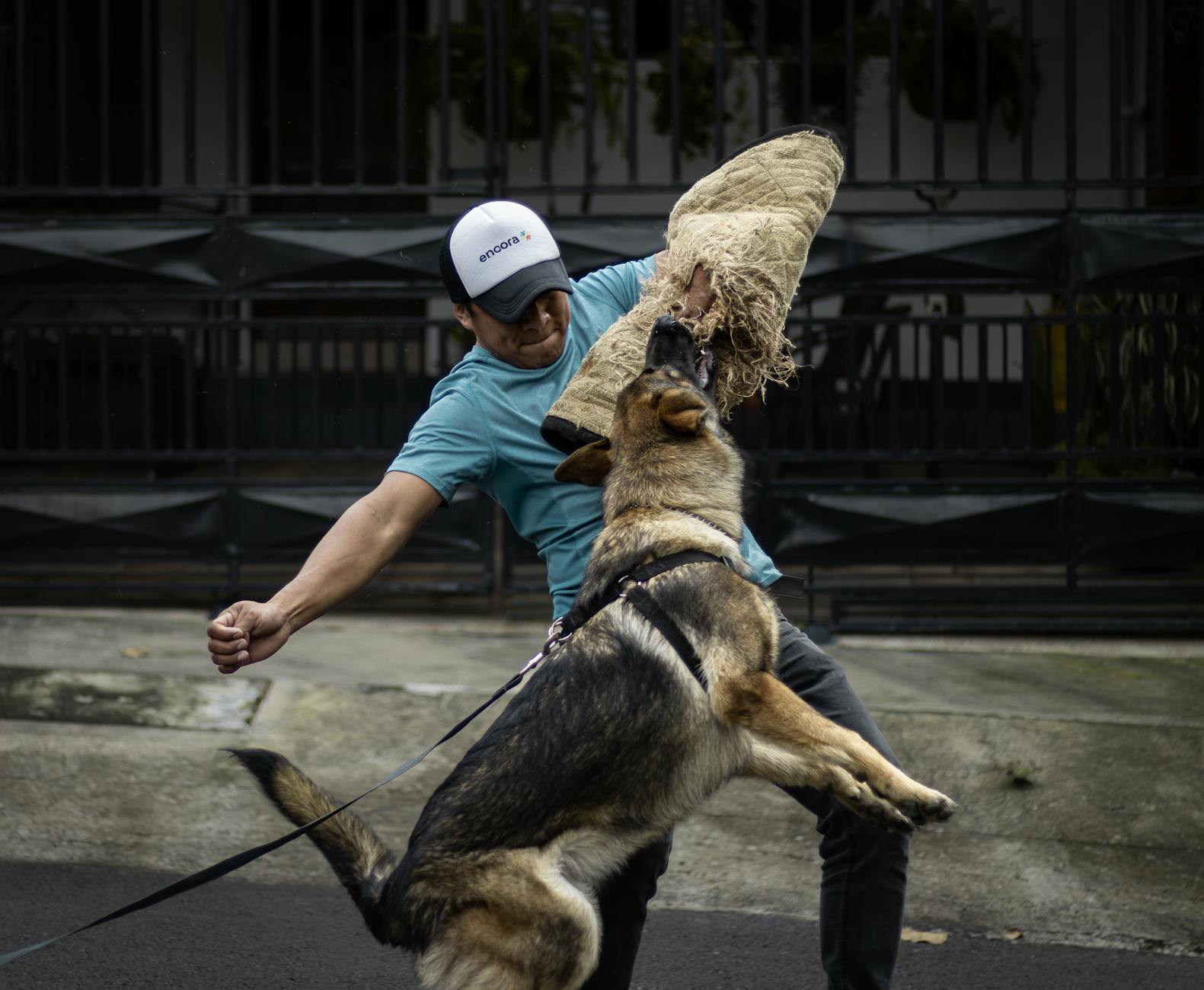
Mastering Dog Barking Solutions: A Comprehensive Guide for Peaceful Homes
Dog barking is a natural form of canine communication, but when it becomes excessive, it can strain the bond between pet and owner and even cause friction with neighbors. Understanding why your dog barks and implementing effective dog barking solutions are crucial steps toward a calmer household. This comprehensive guide from BarkNosh will explore the various reasons behind your dog’s vocalizations and provide actionable strategies to manage and reduce unwanted barking, fostering a more harmonious environment for everyone.
Table of Contents
- The Language of Barks: Understanding Why Dogs Bark
- Decoding Your Dog’s Barking Triggers
- Foundation of Success: General Principles for Barking Management
- Tailored Dog Barking Solutions for Specific Scenarios
- Practical Tools and Techniques for Barking Management
- Checklist: Teaching Your Dog the “Quiet” Command
- When to Call in the Pros: Seeking Expert Help
- Frequently Asked Questions About Dog Barking
- Conclusion: A Quieter, Happier Home
- Related Keywords and Phrases
- Suggested Internal Links
- Sources & Further Reading
The Language of Barks: Understanding Why Dogs Bark
Before we dive into effective dog barking solutions, it’s essential to understand that barking is a fundamental part of canine communication. Dogs don’t bark “just because”; there’s always a reason behind their vocalizations. Identifying this underlying cause is the first and most critical step in addressing excessive barking. Think of it as your dog trying to tell you something – your job is to decipher the message.
Communication, Not Just Noise
Dogs use a variety of barks, growls, whimpers, and body language to express themselves. The pitch, intensity, and frequency of a bark can indicate different emotions or intentions. A short, sharp bark might be an alert, while a prolonged, repetitive bark could signal distress or territorial defense. Understanding this nuance allows you to approach the problem not as a nuisance to be silenced, but as a communication to be understood and appropriately responded to.
Common Reasons Your Dog Barks
Here are some of the most frequent motivations behind a dog’s barking:
- Territorial/Alarm Barking: Often triggered by sights, sounds, or smells of perceived intruders (people, other animals) near their home, yard, or car. This barking is usually loud and continuous, often accompanied by alert body language.
- Attention-Seeking Barking: Your dog may bark to get your attention for food, playtime, walks, or affection. This barking often stops once they receive what they want, inadvertently reinforcing the behavior.
- Boredom/Frustration Barking: Dogs that are under-exercised, lack mental stimulation, or are left alone for long periods may bark out of sheer boredom or frustration. This can be a monotonous, repetitive bark, sometimes accompanied by destructive behaviors.
- Fear-Related Barking: A dog might bark when feeling threatened, startled, or anxious about a new person, object, or situation. This barking can be accompanied by cowering, tail tucking, or lunging, and it’s a clear sign of discomfort.
- Separation Anxiety Barking: When dogs with separation anxiety are left alone, they may bark, howl, or whine excessively, often alongside other symptoms like destructive chewing, house soiling, or pacing. This type of barking is a symptom of a deeper emotional distress.
- Greeting/Play Barking: Some dogs bark out of excitement when greeting people or other dogs, or during play sessions. This is usually accompanied by loose, happy body language.
- Pain or Illness: Rarely, excessive barking can be a sign of pain, discomfort, or an underlying medical condition. If a dog suddenly starts barking more than usual without any obvious trigger, a vet check-up is advisable.
Decoding Your Dog’s Barking Triggers
Once you understand the common reasons for barking, the next step in applying effective dog barking solutions is to become a detective and pinpoint your dog’s specific triggers. This involves careful observation and, in some cases, keeping a log.
- Observe Patterns: When and where does the barking occur? Is it only when the mail carrier comes, or every time someone walks past the window? Does it happen when you leave the house?
- Context Matters: Pay attention to what your dog is doing immediately before and during the barking. Is their tail up or tucked? Are their hackles raised? Are they looking at something specific?
- Environmental Scan: What’s happening in the environment? Is there a delivery truck, another dog, a squirrel, or a loud noise? Sometimes the trigger isn’t obvious to us but is very clear to our dogs with their acute senses.
- Audio/Video Recording: If barking occurs when you’re not home, set up a camera to record your dog’s behavior. This can provide invaluable insights into separation-related issues or boredom barking.
- Keep a Barking Journal: Note the date, time, duration, suspected trigger, and your dog’s reaction. This can reveal patterns you might otherwise miss.
By accurately identifying triggers, you can either manage the environment to prevent the trigger or begin systematic training to change your dog’s reaction to it.
Foundation of Success: General Principles for Barking Management
Regardless of the specific barking type, certain core principles form the bedrock of all effective dog barking solutions. Consistency, positive reinforcement, and a clear understanding of your role as a leader are paramount.
Consistency is Key
Dogs thrive on routine and predictability. If you sometimes reward barking for attention and other times ignore it, your dog will become confused and more likely to try barking in various situations. Everyone in the household must apply the same rules and responses to barking consistently. This means not only ignoring unwanted barks but also consistently rewarding quiet behavior.
Positive Reinforcement
Positive reinforcement is the most effective and humane way to modify behavior. Instead of punishing your dog for barking (which can create fear or anxiety and even increase barking), focus on rewarding them for being quiet or for appropriate vocalizations. This means praising and treating your dog when they stop barking on command, or when they remain quiet despite a usual trigger.
- Reward Silence: When your dog is quiet, especially in situations where they might typically bark, offer praise, a treat, or a favorite toy.
- Desensitization and Counter-Conditioning: Gradually expose your dog to their triggers at a low intensity while simultaneously pairing the exposure with something positive (e.g., high-value treats). This helps change their emotional response from negative (barking) to positive (calm, focused on treats).
Management vs. Training
It’s important to differentiate between managing the environment and actively training your dog. Management involves preventing the behavior from occurring in the first place (e.g., closing blinds to block a window view). Training involves teaching your dog an alternative, more desirable behavior (e.g., teaching “quiet” or “go to your mat”). A combination of both often yields the best results. Management provides immediate relief and prevents the barking from becoming a deeply ingrained habit, while training creates lasting change.
Tailored Dog Barking Solutions for Specific Scenarios
Now, let’s explore specific dog barking solutions based on the underlying cause. Remember, patience and consistency are your best allies.
Territorial and Alarm Barking
This type of barking is often directed at external stimuli. The goal is to manage exposure to triggers and teach an alternative behavior.
- Manage the Environment:
- Close curtains or blinds to block your dog’s view of outside triggers.
- Use frosted window film or temporary screens on lower window panes.
- Play white noise or classical music to mask external sounds.
- If barking is in the yard, supervise outdoor time or bring your dog inside when triggers are present.
- Teach “Quiet”: Wait for your dog to bark a few times, then gently interrupt the barking (e.g., with a soft “shhh” or a quiet clap), and when they pause, immediately reward with a treat and praise. Gradually extend the period of silence before the reward.
- Redirection: When a trigger appears, redirect your dog’s attention to a more appropriate activity, like playing with a favorite toy, doing a “sit-stay,” or going to their mat in another room. Reward heavily for choosing the alternative.
- Controlled Exposure: With a helper, simulate triggers (e.g., someone walking past the window at a distance). As your dog notices but *before* they bark, give them a high-value treat. Gradually decrease the distance as they remain quiet.
Attention-Seeking Barking
This type of barking is often highly effective for dogs because it gets a reaction from you. The key is to break this cycle.
- Ignore It Completely: This is the hardest but most crucial step. When your dog barks for attention, turn your back, walk away, or leave the room. Do not make eye contact, speak to them, or touch them. As soon as there’s a moment of silence, immediately reward with attention, praise, or a treat.
- Teach an Alternative: Train your dog to “ask” for attention politely, for example, by sitting patiently or bringing a toy. Reward these behaviors consistently.
- Proactive Attention: Ensure your dog gets enough quality attention throughout the day – petting, play, training sessions – so they don’t feel the need to demand it.
Boredom and Frustration Barking
This often stems from a lack of mental and physical stimulation. These dog barking solutions focus on enrichment.
- Increase Exercise: Ensure your dog gets adequate physical exercise tailored to their breed and energy level. Daily walks, runs, fetch, or dog park visits can make a significant difference.
- Mental Stimulation: Engage your dog’s mind with puzzle toys, snuffle mats, KONGs stuffed with treats (frozen for longer engagement), obedience training, or trick training. Rotate toys to keep things interesting.
- Daycare or Dog Walker: If you work long hours, consider a reputable dog daycare or hiring a dog walker to break up their day and provide interaction.
- Chew Toys: Provide appropriate, durable chew toys to satisfy their natural urge to chew, which can also be calming.
Fear-Related Barking
This requires a gentle, patient approach, focusing on building confidence and positive associations.
- Identify and Avoid Triggers (Initially): While working on counter-conditioning, try to minimize exposure to the things that scare your dog.
- Desensitization and Counter-Conditioning: Gradually expose your dog to the feared object or situation at a distance or intensity where they remain calm. Pair this exposure with high-value treats and praise. The goal is to change their emotional response from fear to a positive anticipation of treats.
- Create a Safe Space: Provide a comfortable crate or bed in a quiet area where your dog can retreat and feel secure.
- Build Confidence: Enroll in positive reinforcement obedience classes or engage in activities like agility (if appropriate) to build your dog’s confidence and trust in you.
Separation Anxiety Barking
Separation anxiety is a complex behavioral issue that often requires a multi-faceted approach and, frequently, professional intervention.
- Professional Help: For true separation anxiety, consult a certified professional dog trainer (CPDT) or a veterinary behaviorist. They can help diagnose the severity and create a tailored plan, which may include desensitization, counter-conditioning, and potentially medication.
- Gradual Departures: Practice leaving and returning for very short periods, gradually increasing the duration as your dog copes.
- Pre-Departure Routines: Avoid dramatic goodbyes and hellos. Keep departures and arrivals low-key.
- Enrichment While Alone: Provide engaging puzzle toys or long-lasting chews only when you leave, making your departure associated with something positive.
Practical Tools and Techniques for Barking Management
Beyond training methods, some tools can aid in implementing dog barking solutions effectively. However, it’s crucial to use them correctly and ethically.
Barking Type & Solution Overview
Here’s a quick reference for common barking types and their corresponding solutions:
| Barking Type | Common Triggers | Primary Solution Strategy | Key Interventions |
|---|---|---|---|
| Territorial/Alarm | Mail carrier, passersby, other animals, strange noises. | Manage exposure, teach “quiet,” redirect attention. | Window film, white noise, controlled desensitization, “Quiet” command. |
| Attention-Seeking | Lack of interaction, desire for food/play/petting. | Ignore barking, reward silence/alternative behaviors. | Turn away, leave room, proactive positive attention, teach “sit to ask.” |
| Boredom/Frustration | Insufficient exercise, lack of mental stimulation, confinement. | Increase enrichment, provide outlets for energy. | More walks, puzzle toys, KONGs, chew bones, dog daycare. |
| Fear/Anxiety | Loud noises, unfamiliar people/places, perceived threats. | Build confidence, desensitize, counter-condition. | Safe space, gradual exposure with positive associations, confidence-building games. |
| Separation Anxiety | Owner absence, being left alone. | Gradual desensitization to departures, professional help. | Short departures, low-key goodbyes/hellos, puzzle toys (only when alone), vet behaviorist. |
Anti-Bark Devices (Use with Caution)
While some devices are marketed as quick dog barking solutions, they should be used with extreme caution and ideally under the guidance of a professional. Many can suppress barking without addressing the underlying cause, potentially leading to increased anxiety or other behavioral issues.
- Citronella Collars: These collars emit a spray of citronella when your dog barks. They are generally considered more humane than static shock collars, but some dogs find the smell aversive. They can be useful for interrupting barking in specific situations but don’t teach an alternative behavior.
- Ultrasonic Devices: These emit a high-pitched sound that is supposed to be unpleasant to dogs when they bark. Their effectiveness varies widely, and some dogs become desensitized or even agitated by them.
- Static/Shock Collars: Most humane organizations and professional trainers advise against the use of static shock collars due to their potential to cause pain, fear, and anxiety, which can damage the human-animal bond and exacerbate behavioral problems. We do not recommend their use at BarkNosh.
Focusing on positive reinforcement and addressing the root cause is always the most ethical and effective long-term strategy for managing barking.
Checklist: Teaching Your Dog the “Quiet” Command
Teaching your dog to be quiet on command is one of the most powerful dog barking solutions. Here’s how to do it:
- Identify a Trigger: Choose a low-level trigger that usually makes your dog bark (e.g., someone walking down the street at a distance, a doorbell sound effect).
- Let Them Bark (Briefly): Allow your dog to bark 1-2 times at the trigger.
- Interrupt the Barking: Immediately after their short bark, use a gentle sound to interrupt them – a soft “shhh,” a quiet clap, or a light tap on their crate. The goal is to get a moment of silence, not to startle or punish them.
- Mark and Reward Silence: The INSTANT your dog stops barking and is quiet, say “Yes!” or use a clicker, and immediately give them a high-value treat.
- Introduce the Command: Once your dog understands that stopping barking leads to a treat, add the verbal cue. As they become quiet, say “Quiet!” (or your chosen word) *before* you mark and reward.
- Increase Duration: Gradually increase the amount of time your dog needs to be quiet before they receive the reward. Start with one second of silence, then two, then three, building up slowly.
- Vary Triggers and Locations: Practice in different environments and with various triggers. Start with easy ones and gradually move to more challenging scenarios.
- Fade the Interruption: As your dog learns the “Quiet!” command, you should be able to phase out the initial interruption sound. Your verbal command should be enough.
- Consistency is Crucial: Everyone in the household must use the same command and follow the same steps every time.
Remember to keep training sessions short, positive, and fun. Never use punishment, as it can worsen fear or anxiety.
When to Call in the Pros: Seeking Expert Help
While many dog barking solutions can be implemented at home, some situations warrant professional intervention. If you’ve tried various methods consistently without success, or if your dog’s barking is severe, constant, or accompanied by other concerning behaviors, it’s time to seek expert help.
- Certified Professional Dog Trainer (CPDT): A CPDT can assess your dog’s behavior, identify the root cause of the barking, and develop a customized training plan using humane, science-based methods.
- Veterinary Behaviorist (Dip ACVB): For complex or severe behavioral issues, especially those involving aggression, fear, or separation anxiety, a board-certified veterinary behaviorist is the most qualified professional. They are veterinarians with specialized training in animal behavior and can prescribe medication if necessary, alongside behavior modification plans.
- Severe Separation Anxiety: If your dog exhibits destructive behavior, self-harm, or excessive vocalization (barking and howling) when left alone, it is imperative to consult a vet or veterinary behaviorist.
- Sudden Onset Barking: Any sudden, unexplained change in your dog’s barking habits should prompt a visit to your veterinarian to rule out underlying medical conditions, such as pain, hearing loss, or cognitive dysfunction.
Veterinary Note:
While this article provides comprehensive information on dog barking solutions, it is not a substitute for professional veterinary advice. If your dog exhibits sudden changes in barking behavior, appears to be in pain, or displays other concerning symptoms, please consult your veterinarian immediately to rule out any underlying medical conditions. For persistent or severe behavioral issues, a veterinary behaviorist can provide tailored guidance and support.
Frequently Asked Questions About Dog Barking
Here are some common questions about managing dog barking:
Q: Can I really stop my dog from barking completely?
A: No, and you shouldn’t aim to. Barking is a natural and necessary form of canine communication. The goal of dog barking solutions is to manage and reduce excessive or inappropriate barking, not to silence your dog entirely. You want your dog to be able to alert you to genuine threats or express needs appropriately, but not to bark incessantly at every rustle of a leaf.
Q: Is it okay to use punishment to stop my dog from barking?
A: We strongly advise against using punishment-based methods (like yelling, hitting, or shock collars). These methods can create fear, anxiety, and distrust, potentially leading to increased barking, aggression, or other behavioral problems. Positive reinforcement, which focuses on rewarding desired behaviors, is far more effective and humane for long-term success.
Q: My dog barks at guests when they come over. What should I do?
A: This is often territorial or excitement barking. Start by managing the environment (e.g., leash your dog when guests arrive, or have them in another room). Then, practice desensitization and counter-conditioning: have a friend come to the door, and as soon as your dog notices them (before barking), reward them with high-value treats. Gradually decrease the distance or open the door slightly, always rewarding quiet behavior. Teach your dog to go to a mat or specific spot when the doorbell rings and reward them for staying there quietly.
Q: My dog barks relentlessly when I leave. Is this separation anxiety?
A: It may be. Excessive barking when left alone is a common symptom of separation anxiety, but it can also be boredom or attention-seeking. Look for other signs like destructive chewing, house soiling, pacing, or self-harm (licking paws excessively) that occur *only* when you’re absent. If these additional symptoms are present, it’s highly likely to be separation anxiety, which requires professional help from a vet or veterinary behaviorist.
Q: How long does it take to see results with barking training?
A: The timeline varies greatly depending on the dog, the severity and cause of the barking, and the consistency of your training. Some dogs show improvement in weeks, while others with deeply ingrained habits or anxiety may take months. Patience, consistency, and a positive approach are key. Don’t get discouraged if progress seems slow; celebrate small victories.
Q: What if my dog barks at other dogs on walks?
A: This is often reactive barking, stemming from fear, frustration, or over-excitement. Practice parallel walking at a distance where your dog can see other dogs without reacting. Reward heavily for calm behavior. You can also work on “look at that” (LAT) exercises, where you reward your dog for simply looking at another dog and then looking back at you, changing their association from negative to positive. Consider enrolling in a reactive dog class with a certified trainer.
Conclusion: A Quieter, Happier Home
Dealing with excessive dog barking can be challenging, but with the right understanding, patience, and consistent application of effective dog barking solutions, you can significantly reduce unwanted vocalizations and foster a more peaceful home environment. Remember to always seek to understand the ‘why’ behind the bark, use positive reinforcement, and don’t hesitate to enlist the help of professional trainers or veterinary behaviorists for complex cases. A quiet dog isn’t a silent dog; it’s a well-understood, well-exercised, and well-trained dog. By investing time and effort, you’ll not only achieve a calmer household but also strengthen the invaluable bond you share with your canine companion.
Ready to put these strategies into action? Start by observing your dog today and take the first step towards a quieter, happier coexistence!
Related Keywords and Phrases
- Stop dog barking
- How to train a dog not to bark
- Excessive barking solutions
- Dog behavior training
- Calm dog barking
- Managing dog reactivity
- Positive reinforcement dog training
- Understanding dog communication
- Dog anxiety barking
- Prevent dog barking at window
Suggested Internal Links
- Essential Dog Training Commands: A Beginner’s Guide
- Recognizing and Managing Canine Anxiety: A BarkNosh Guide
- Top 10 Enrichment Ideas to Keep Your Dog Happy and Engaged
Sources & Further Reading
- The Humane Society of the United States: How to get your dog to stop barking
- ASPCA: Barking
- American Kennel Club: How to Stop a Dog from Barking
- Cornell University College of Veterinary Medicine: Barking Dogs
- Preventive Vet: How To Teach Your Dog The “Quiet” Command
- VCA Hospitals: Barking in Dogs
- Patricia McConnell, PhD: All Dogs Bark, But Why Is Your Dog Barking Excessively?
- Dog Training Nation: How to Stop Barking