The Ultimate Guide to Positive Reinforcement Dog Training: Building a Happy, Obedient Canine Companion
Estimated reading time: 20 minutes
Key Takeaways
- Positive reinforcement builds trust and strengthens the bond between dogs and owners.
- It’s a humane, effective, and science-backed approach focusing on rewarding desired behaviors rather than punishing unwanted ones.
- Understanding dog body language and consistent training are crucial for addressing common challenges and building foundational obedience.
- Puppyhood is a critical period for socialization, house training, and bite inhibition, all best achieved with positive reinforcement.
- Patience and consistency from all household members are essential for long-term success, and professional help should be sought for severe issues.
Table of Contents
- What is Positive Reinforcement Dog Training?
- Understanding Your Dog’s Body Language
- Foundational Obedience Cues for Every Dog
- Tackling Common Behavior Challenges
- Puppy Training Essentials
- The Power of Consistency and Patience
- When to Seek Professional Help
- Frequently Asked Questions
- Conclusion
Embarking on the journey of dog ownership is a joyful experience, filled with moments of companionship, laughter, and unconditional love. To ensure this bond is strong and your canine friend thrives in your home and in the world, understanding effective communication and training methods is paramount. This comprehensive guide will immerse you in the world of positive reinforcement dog training, a humane, effective, and science-backed approach that builds trust, fosters cooperation, and empowers your dog to make good choices.
Positive reinforcement isn’t just about teaching tricks; it’s about building a language that both you and your dog understand, leading to a well-behaved, confident, and happy companion. From foundational obedience to tackling common behavior challenges and understanding your dog’s subtle cues, we’ll equip you with the knowledge and tools to nurture an extraordinary relationship with your furry family member.
What is Positive Reinforcement Dog Training?
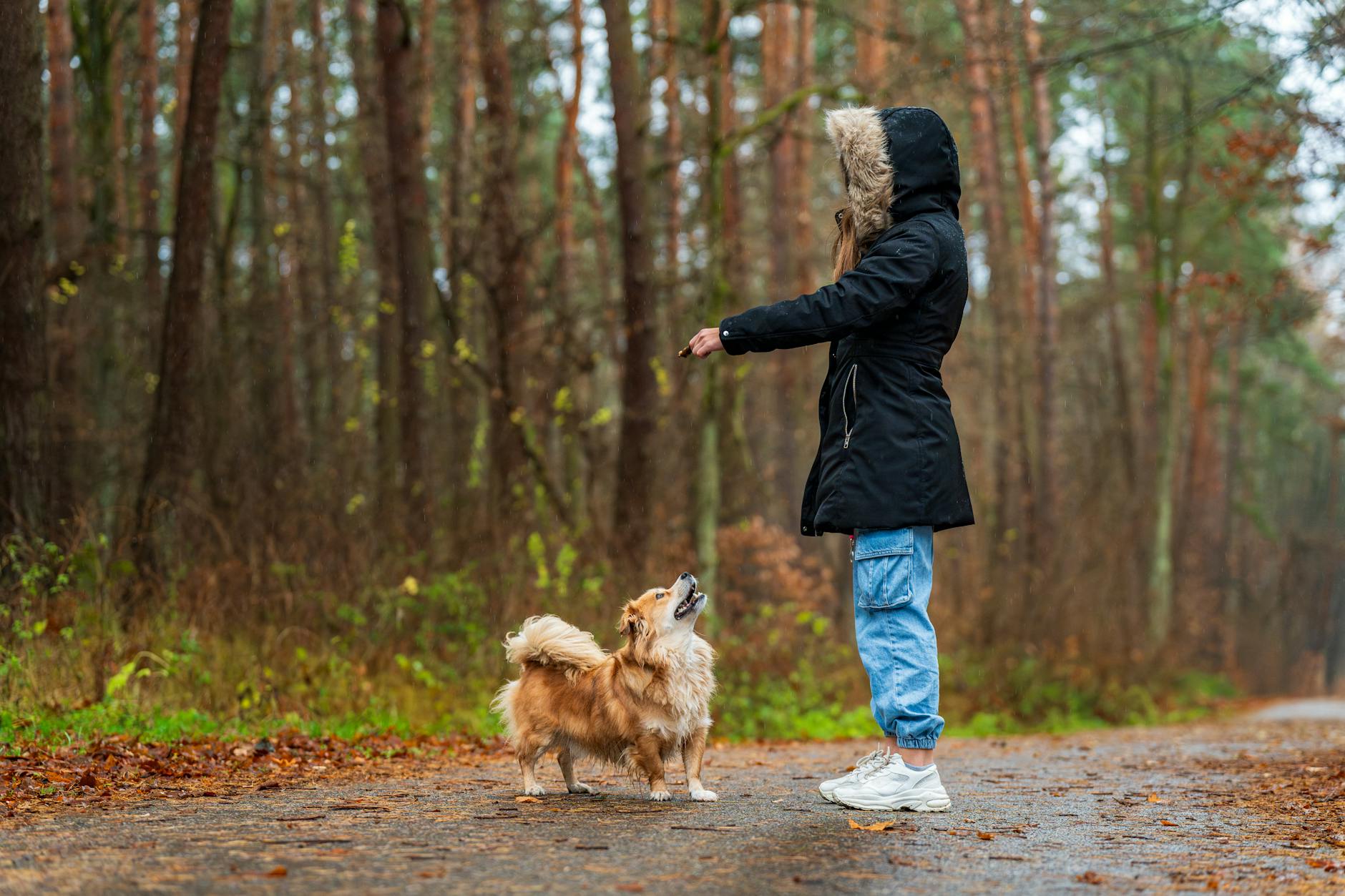
At its heart, positive reinforcement dog training is a method centered on rewarding desired behaviors, thereby increasing the likelihood that your dog will repeat them. Instead of focusing on punishing unwanted actions, this approach emphasizes creating positive associations with learning and obedience. When your dog does something you like – whether it’s sitting politely, coming when called, or refraining from jumping – they receive a reward, such as a tasty treat, verbal praise, a favorite toy, or a game of fetch.
How it Works
The principle is simple: behavior that is rewarded gets repeated. When your dog performs an action, and a positive consequence follows, their brain links the action to the positive outcome. This makes learning enjoyable for your dog and strengthens the bond between you by eliminating fear or coercion from the training process. Dogs learn quickly when they are motivated and feel safe.
Benefits of Positive Reinforcement
- Builds Trust and Strengthens Bond: Dogs learn to see you as a source of good things, not someone to be feared. This fosters a relationship based on mutual respect and understanding.
- Increases Confidence: By focusing on what your dog does right, you build their self-esteem and encourage them to try new things without fear of punishment.
- More Effective Long-Term: Research consistently shows that positive reinforcement is more effective in creating lasting behavioral changes and is less likely to cause fear, anxiety, or aggression than punitive methods.
- Applicable to All Dogs: From puppies to senior dogs, and across all breeds and temperaments, positive reinforcement works universally.
- Enjoyable for Both: Training becomes a fun, engaging activity for you and your dog, making it something you both look forward to.
Types of Rewards
Understanding what motivates your dog is key. Rewards can be varied and should be exciting enough to encourage the desired behavior. Common rewards include:
- Food Treats: High-value, small, soft treats that your dog loves are often the most powerful motivators, especially in the initial stages of training.
- Praise: Enthusiastic verbal praise (“Good dog!” “Yes!”) accompanied by petting or a gentle scratch can be a great reward for many dogs.
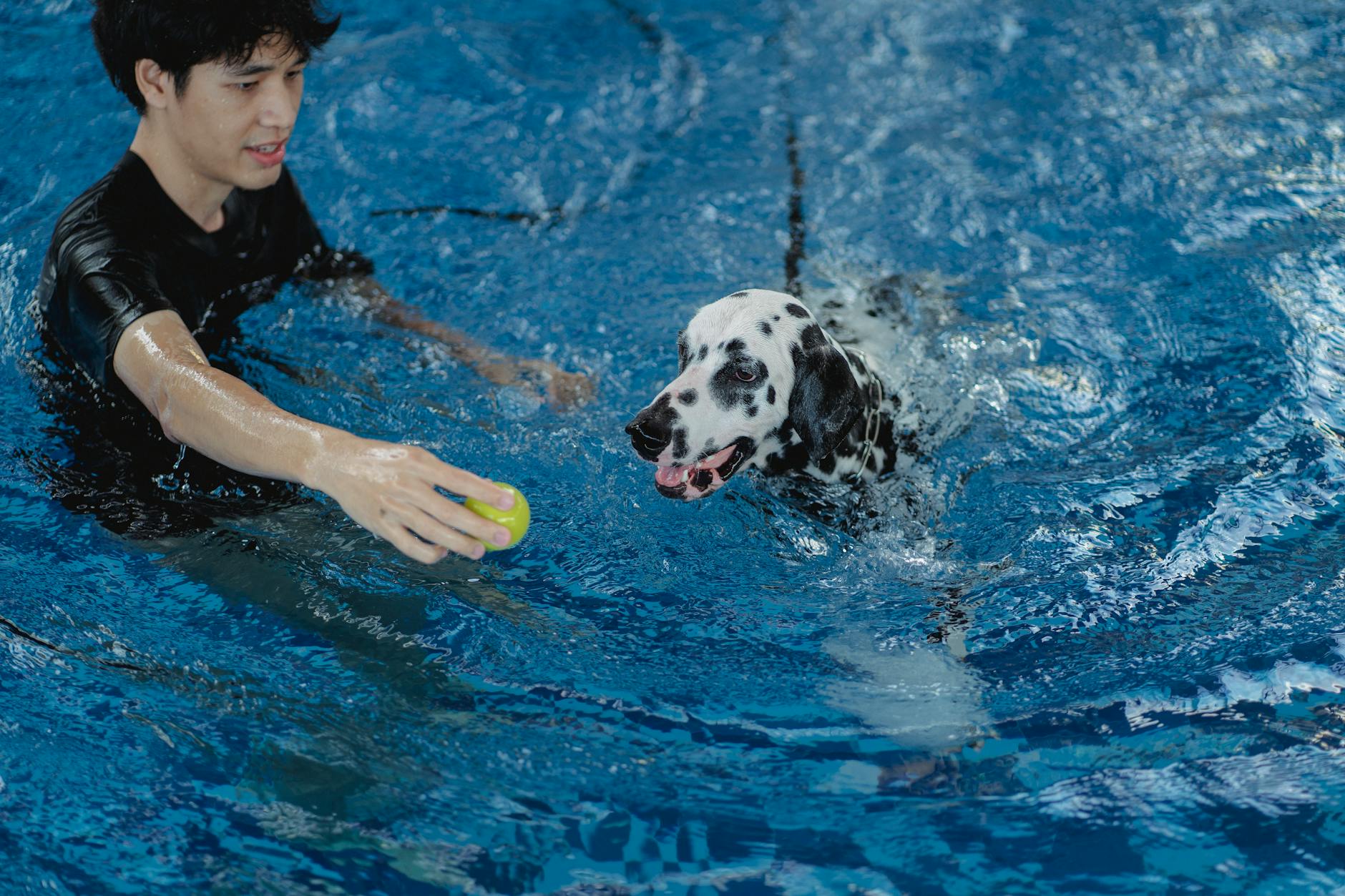
- Toys: A quick game of tug or fetch with a favorite toy can be a powerful reward, especially for dogs who are highly toy-motivated.
- Play: A few seconds of chase or a favorite game can be incredibly reinforcing.
- Environmental Rewards: Access to something your dog desires, like going for a walk, getting to greet a friendly person or dog, or sniffing a interesting spot, can also be used as a reward.
The key is to deliver the reward immediately after the desired behavior occurs, so your dog clearly understands what they are being rewarded for.
Understanding Your Dog’s Body Language
Dogs communicate constantly, not through words, but through an intricate language of body signals. Learning to “read” your dog’s body language is crucial for effective training, building a stronger bond, and understanding their needs, fears, and joys. It allows you to anticipate behavior, prevent escalation of stress, and respond appropriately to their emotional state.
Why Body Language Matters
- Preventing Problems: Recognizing early signs of stress or discomfort can help you intervene before a situation escalates.
- Enhancing Training: Knowing if your dog is confused, stressed, or engaged helps you adjust your training approach for better results.
- Strengthening Your Bond: When you understand what your dog is trying to tell you, they feel heard and understood, deepening your connection.
Decoding Common Dog Body Language Signals
Look for a combination of signals, as a single signal can sometimes be misleading. Context is also key.
| Body Part / Signal | What it Might Look Like | What it Might Mean |
|---|---|---|
| Tail Position | High, wagging quickly | Excitement, arousal, friendly greeting |
| Relaxed, gentle wag (mid-height) | Content, happy, relaxed | |
| Tucked between legs | Fear, anxiety, submission | |
| Ears | Forward, relaxed | Alert, interested, attentive |
| Flattened back against head | Fear, anxiety, appeasement, submission | |
| Pulled back, but not flat | Friendly, trying to hear | |
| Eyes | Soft, blinking, “whale eye” (white visible) | Relaxed, trying to appease, stress (whale eye) |
| Hard stare, dilated pupils | Threat, fear, high arousal, focus | |
| Squinting | Pain, discomfort, appeasement | |
| Mouth | Relaxed, slightly open, panting (no stress) | Content, warm, relaxed |
| Lip licking, yawning (not tired) | Stress, appeasement, discomfort | |
| Tight, closed mouth, drawn back lips, growling | Tension, fear, warning signs | |
| Body Posture | Loose, relaxed, soft curves, play bow | Comfortable, friendly, inviting play |
| Stiff, frozen, low to ground, hackles raised | Tension, fear, threat, arousal (hackles) | |
| Turning away, cowering, hiding | Fear, wanting to avoid interaction |
Trainer note: If you observe persistent signs of fear, aggression, or sudden, unexplained changes in your dog’s body language or behavior, it’s always best to consult with a certified professional dog trainer specializing in positive reinforcement or your veterinarian to rule out any underlying medical conditions.
Foundational Obedience Cues for Every Dog
Basic obedience cues are the building blocks of a well-behaved dog and contribute significantly to their safety and your peace of mind. Teaching these using positive reinforcement makes the process enjoyable and creates a dog eager to learn.
Key Principles for Teaching Cues
- Keep it Short and Fun: Dogs have short attention spans. Keep training sessions 5-10 minutes long, several times a day.
- Use High-Value Rewards: Especially when first introducing a new cue.
- Lure and Reward: Use a treat to guide your dog into the desired position, then mark the behavior with a verbal cue (“Yes!” or a clicker) and reward immediately.
- Fade the Lure: Once your dog understands the motion, start to use hand signals and then verbal cues more prominently, gradually reducing the reliance on the physical lure.
- Practice in Different Environments: Start in a quiet, distraction-free area, then gradually introduce distractions as your dog masters the cue.
Essential Cues to Master
-
“Sit”
- Why it’s important: A default polite greeting, a calm behavior for waiting, and a foundation for many other cues.
- How to teach: Hold a treat near your dog’s nose. Move the treat slowly up and back over their head. As their nose follows the treat, their rear end will naturally lower into a sit. As soon as their bottom touches the ground, say “Yes!” or click, and give the treat. Repeat. Once they consistently sit, add the verbal cue “Sit” just as they are moving into position.
-
“Stay”
- Why it’s important: Crucial for safety (e.g., at an open door, near traffic) and impulse control.
- How to teach: Start with your dog in a “Sit.” Say “Stay,” take one small step back, then immediately step forward, “Yes!” or click, and reward. Gradually increase distance and duration. If your dog breaks the stay, calmly guide them back to the original spot and restart.
-
“Come” (Recall)
- Why it’s important: The most vital safety cue. Can prevent your dog from running into danger.
- How to teach: Start in a quiet area. Get excited, call “Come!” (use a happy, high-pitched voice), and run away a few steps. When your dog comes, celebrate enthusiastically and give a jackpot of treats. Never punish your dog for a slow recall; always make “Come” a positive experience.
-
“Down”
- Why it’s important: A calm, submissive posture; useful for settling, grooming, and managing excitement.
- How to teach: With your dog in a “Sit,” hold a treat at their nose, then move it slowly down to the floor and then out in front of them, creating an ‘L’ shape. As they lie down, “Yes!” or click, and reward. Add the verbal cue “Down.”
-
“Leave It”
- Why it’s important: Prevents your dog from eating something dangerous, grabbing forbidden items, or fixating on distractions.
- How to teach: Place a low-value treat on the floor and cover it with your hand. Say “Leave It.” When your dog looks away from your hand (even for a second), say “Yes!” or click, and reward them with a higher-value treat from your other hand. Gradually uncover the treat, then place it on the floor without your hand, always rewarding for ignoring it.
Tackling Common Behavior Challenges
Even with the best intentions, dogs can develop behaviors that challenge their owners. The good news is that most common behavior issues can be effectively managed and improved using positive reinforcement, often by understanding the root cause and teaching an alternative, desirable behavior.
General Approach to Behavior Challenges
- Identify the Cause: Is it boredom, fear, attention-seeking, lack of exercise, or something else? Understanding “why” helps you address the behavior effectively.
- Manage the Environment: Prevent your dog from practicing the unwanted behavior. This might mean crating, using gates, or keeping tempting items out of reach.
- Teach an Alternative Behavior: What do you want your dog to do instead? (e.g., sit instead of jump, chew a toy instead of furniture).
- Reward the Desired Behavior: Consistently reward your dog for making the right choice.
Excessive Barking
Dogs bark for many reasons: attention, boredom, fear, territoriality, alert, or excitement. Addressing it requires understanding the trigger.
- If attention-seeking: Ignore barking, but reward silence. When your dog is quiet, even for a moment, mark it and reward. Only give attention when they are quiet.
- If boredom/lack of exercise: Increase physical exercise and mental enrichment (puzzle toys, training sessions, sniff walks).
- If territorial/alert: Manage access to triggers (e.g., close blinds), teach a “Quiet” cue by rewarding silence after a bark, or teach them to bark once and then settle.
- If fear-related: Identify the trigger and work on positive associations from a distance. (Professional guidance recommended for severe fear.)
Destructive Chewing
Chewing is a natural dog behavior, especially for puppies and young dogs exploring their world or alleviating teething pain. Destructive chewing often stems from boredom, stress, or a lack of appropriate chew outlets.
- Provide Appropriate Outlets: Offer a variety of durable, safe chew toys, rotating them to keep things interesting. Marrow bones, KONGS stuffed with food, and robust rubber toys are good options.
- Manage Environment: Puppy-proof your home. Use gates, crates, or pens to limit access to tempting forbidden items. Don’t leave valuable items accessible.
- Increase Exercise & Mental Stimulation: A tired dog is less likely to be a destructive chewer. Engage them in walks, playtime, and training.
- Redirect: If you catch your dog chewing something inappropriate, calmly interrupt, say “No” (or “Ah-ah”), and immediately offer an appropriate chew toy. Praise them when they take the toy.
Jumping on People
Dogs jump for attention, excitement, or as a greeting. While cute in a puppy, it can be problematic and even dangerous with larger dogs.
- “Four Paws on the Floor” Rule: This is the golden rule. No attention (no eye contact, no speaking, no touching) if any paw is off the floor. As soon as all four paws are down, even for a second, immediately reward with attention, praise, or a treat.
- Teach an Alternative: Teach your dog to “Sit” for greetings. When someone approaches, ask for a sit. Reward heavily for sitting calmly.
- Manage Greetings: Keep greetings calm and brief initially. Ask guests to help by ignoring jumping and only petting when the dog is calm.
Leash Pulling
Dogs pull because they want to get somewhere fast, explore, or haven’t learned that a loose leash is more rewarding. It’s one of the most common and frustrating challenges.
- Reward Loose Leash: Walk with a loose leash. The moment your dog walks beside you without pulling (even for a step!), mark it and reward. Repeat constantly.
- Stop and Go: If your dog pulls, immediately stop walking. Only resume when the leash is loose. If they pull again, stop again. This teaches them that pulling gets them nowhere.
- Change Direction: When your dog pulls, abruptly change direction. This disengages them from the “pulling forward” mentality and brings their focus back to you.
- Appropriate Equipment: Consider a front-clip harness, which redirects a dog’s pulling power back towards you, making pulling less effective. Avoid choke chains or prong collars, as they can cause pain and damage.
Separation-Related Stress
Some dogs experience distress when left alone, manifesting as destructive chewing, excessive barking/howling, or house soiling (only when alone). This is different from a dog who simply enjoys human company; it’s a genuine form of stress.
- Gradual Desensitization: Start with very short absences (seconds), gradually increasing the duration. Practice “pretend” departures (pick up keys, go to door, then sit back down).
- Create a Safe Space: Ensure your dog has a comfortable, den-like space (a crate, a bed in a quiet room) where they feel secure. Introduce this space positively with treats and toys.
- Pre-departure Routine: Avoid making a big fuss when you leave or return. Keep hellos and goodbyes calm and low-key.
- Enrichment Before Departure: Provide a stimulating, long-lasting chew or a puzzle toy stuffed with food just before you leave. This distracts them and creates a positive association with your absence.
- Rule Out Medical Issues: Always consult your vet to rule out medical causes for destructive behavior or house soiling.
For severe separation-related stress, professional help from a certified behavior consultant is highly recommended.
Puppy Training Essentials
Puppyhood is a critical period for learning and development. Laying a strong foundation with positive reinforcement will shape your puppy into a well-adjusted adult dog.
Key Puppy Training Areas
-
Socialization (The Critical Window)
- What it is: Safely exposing your puppy to a wide variety of sights, sounds, smells, people, dogs, and environments during their critical developmental window (roughly 3-16 weeks).
- Why it’s important: Helps your puppy grow into a confident, friendly, and resilient adult, less likely to develop fears or aggression later in life.
- How to do it: Ensure all experiences are positive. Use treats and praise. Start with low-stress situations and gradually increase exposure. Puppy classes are excellent for structured, safe socialization. Prioritize health by ensuring your puppy has appropriate vaccinations before extensive outings.
-
House Training
- Consistency is Key: Take your puppy out frequently (every 1-2 hours, after waking, after eating/drinking, before bed, after play).
- Positive Reinforcement: Go to the designated potty spot. When your puppy eliminates, praise enthusiastically and give a high-value treat immediately.
- Supervision & Management: Keep your puppy supervised indoors. If you can’t actively supervise, use a crate or pen to prevent accidents.
- Cleaning Accidents: Clean accidents thoroughly with an enzymatic cleaner to remove odors that might attract your puppy back to the same spot. Never punish for accidents; they simply indicate you missed a cue.
-
Crate Training
- Making it a Den: A crate should be a positive, safe, and comfortable space, not a punishment.
- Positive Association: Introduce the crate gradually. Feed meals inside, offer special chew toys only in the crate, and praise them for entering.
- Gradual Duration: Start with short periods, building up duration as your puppy becomes comfortable.
- Benefits: Aids in house training, provides a safe space for your dog, and can be useful for travel or vet visits.
-
Bite Inhibition
- Teaching Soft Mouths: Puppies naturally explore with their mouths and play-bite. This is how they learn bite inhibition – to control the force of their bite.
- Yelp and Withdraw: If your puppy bites too hard during play, yelp loudly (like another puppy), and immediately withdraw your attention (remove your hand or leave the room for 10-20 seconds). Resume play only when they are calmer.
- Redirect: Always have appropriate chew toys on hand. If your puppy nips, redirect them to a toy.
Puppy’s First Training Checklist
- ✓ Schedule regular potty breaks (every 1-2 hours, after waking, eating, playing, before bed).
- ✓ Introduce the crate as a positive, safe space with treats and toys.
- ✓ Begin teaching “Sit,” “Come,” and “Down” in short, fun sessions.
- ✓ Expose your puppy to new, positive sights, sounds, and safe interactions with people and vaccinated dogs.
- ✓ Provide a variety of appropriate chew toys and redirect nipping onto them.
- ✓ Practice gentle handling (paws, ears, mouth) to prepare for grooming and vet visits.
- ✓ Register for a positive reinforcement puppy class.
- ✓ Schedule your first vet check-up and discuss vaccination schedule.
The Power of Consistency and Patience
Successful dog training, particularly with positive reinforcement, hinges on two crucial elements: consistency and patience. These aren’t just buzzwords; they are the bedrock upon which lasting behavioral changes are built.
Consistency
- Everyone on Board: All members of the household need to use the same cues, hand signals, and rules. If “Sit” means one thing to you and another to your partner, your dog will be confused.
- Predictable Expectations: Dogs thrive on predictability. If you always reward a “Sit” at the door, your dog learns that this behavior is consistently rewarded in that context. Inconsistency can lead to frustration and slower learning.
- Regular Practice: Short, frequent training sessions (5-10 minutes, several times a day) are far more effective than one long, infrequent session. This reinforces learning and keeps your dog engaged.
- Environmental Consistency: If your dog isn’t allowed on the couch, that rule needs to apply all the time, not just when guests are over.
Patience
- Learning Takes Time: Dogs don’t learn overnight. Just like humans, they have good days and bad days. Some concepts will click quickly, others will require more repetition.
- Set Realistic Expectations: Don’t expect perfection from your puppy or a newly adopted adult dog. Celebrate small victories and progress.
- Avoid Frustration: If you or your dog are getting frustrated, take a break. End the session on a positive note, even if it’s just practicing a cue your dog already knows perfectly.
- Relapses Happen: It’s normal for dogs to occasionally revert to old behaviors, especially in new or stressful situations. Don’t view this as a failure; simply go back to basics and reinforce the desired behavior.
Remember, training is an ongoing process that strengthens your relationship with your dog throughout their life. It’s not a one-time fix but a continuous journey of mutual learning and understanding.
When to Seek Professional Help
While positive reinforcement training provides an excellent foundation for most dogs and common behavior challenges, there are instances when professional guidance is not just helpful, but essential. Recognizing these situations ensures your dog receives the best care and that issues are addressed safely and effectively.
Trainer note: If your dog exhibits severe behavioral issues such as aggression (growling, snapping, biting), intense fear or phobias, sudden and unexplained behavioral changes, or signs of pain, it is crucial to consult with a certified professional dog trainer specializing in positive reinforcement methods (e.g., Certified Professional Dog Trainer – Knowledge Assessed (CPDT-KA), Karen Pryor Academy Certified Training Partner (KPA CTP)) or a veterinary behaviorist. Additionally, always consult your veterinarian first to rule out any underlying medical conditions that could be causing or contributing to behavioral problems. Addressing these complex issues requires expert assessment and a tailored plan to ensure the safety and well-being of both your dog and your family.
Frequently Asked Questions
Q: Can you use positive reinforcement for any dog, regardless of age or breed?
A: Absolutely! Positive reinforcement is highly effective for dogs of all ages, breeds, and temperaments, from young puppies to senior dogs, and even those with a history of negative training experiences. It works because it leverages natural learning principles and motivations, making learning enjoyable and stress-free for any dog.
Q: How long does it take to see results with positive reinforcement training?
A: The timeline varies significantly based on the dog, the specific behavior being taught, the consistency of the training, and the dog’s prior learning experiences. Some dogs pick up basic cues like “Sit” in a few sessions, while more complex behaviors or deeply ingrained habits can take weeks or months of consistent practice. Patience and persistence are key.
Q: What if my dog isn’t food motivated?
A: While food is a powerful motivator for many dogs, it’s not the only one. Identify what your dog values most. This could be a favorite toy, a game of tug, enthusiastic praise, a belly rub, or access to something they desire (like a walk or sniffing a particular spot). Experiment with different rewards to find what truly motivates your individual dog.
Q: Is it okay to say “no” to my dog?
A: In positive reinforcement, the focus is on teaching your dog what you want them to do, rather than constantly scolding for what you don’t. While a clear “no” or an interruption sound (like “ah-ah”) can be used to interrupt an unwanted behavior, it should always be immediately followed by redirecting your dog to an appropriate alternative and then rewarding that desired action. For example, if your dog is chewing a shoe, you might say “No” (or “Leave it!”), immediately offer them an appropriate chew toy, and praise them when they take it.
Q: Can old dogs learn new tricks with positive reinforcement?
A: Yes! The saying “you can’t teach an old dog new tricks” is simply not true with positive reinforcement. Older dogs can absolutely learn new behaviors or modify existing ones. They may learn at a slightly slower pace than a puppy, but their cognitive abilities often remain strong, and the gentle, trust-building nature of positive reinforcement is perfect for them.
Q: What’s the difference between a dog trainer and a veterinary behaviorist?
A: A dog trainer typically focuses on teaching obedience cues, addressing common behavior challenges (like leash pulling or jumping), and puppy socialization using positive reinforcement methods. They often work with healthy dogs on learning and modifying behaviors. A veterinary behaviorist is a licensed veterinarian who has gone on to complete advanced training and certification in animal behavior, similar to a human psychiatrist. They can diagnose and treat behavioral disorders (e.g., severe aggression, separation anxiety, phobias) that may have underlying medical or psychological components, and they can prescribe medication if necessary. For complex or severe behavioral issues, a veterinary behaviorist is the appropriate specialist.
Conclusion
Positive reinforcement dog training is more than just a method; it’s a philosophy that champions kindness, understanding, and respect in our relationships with our canine companions. By embracing this approach, you’re not merely teaching your dog commands; you’re building a foundation of trust, communication, and mutual enjoyment that will enrich both your lives for years to come.
Remember that every dog is an individual, and the journey of training is continuous. Celebrate the small victories, remain patient through the challenges, and always prioritize making learning a positive and rewarding experience for your furry friend. The effort you invest in positive reinforcement training will undoubtedly be repaid many times over in the form of a confident, well-behaved, and deeply bonded companion.
For more insights and to continue enhancing your dog’s well-being, explore our other resources:
- More Dog Behavior & Training Tips
- Essential Dog Care & Health Guides
- Discover Healthy Dog Food & Nutrition Advice
Related Keywords/Phrases:
- force-free dog training
- puppy obedience training
- dog behavior modification
- stop dog barking naturally
- teach dog not to jump
- loose leash walking tips
- dog communication signals
- crate training positive reinforcement
- prevent separation stress in dogs
- reward based dog training
Sources & Further Reading:
- ASPCA: Common Dog Behavior Issues
- Humane Society: Positive Reinforcement Dog Training
- AKC: 7 Ways Positive Reinforcement Dog Training Works Wonders
- Patricia McConnell: Reading Your Dog’s Body Language
- Fear Free Happy Homes: What is Fear Free?
- Dog Listener: Puppy Socialisation – The How And Why
- APDT: Choosing a Dog Trainer
- K9ofMine: Dog Body Language Explained
- Preventive Vet: Crate Training Your Dog The Right Way
- University of Wisconsin Vet Med: Separation Anxiety in Dogs (for professional context)