Unlocking Your Dog’s Potential: A Comprehensive Guide to Positive Reinforcement Dog Training
Estimated reading time: 15 minutes
Key Takeaways
- Positive reinforcement builds a strong, trust-based bond with your dog by rewarding desired behaviors.
- Understanding canine body language is crucial for effective communication and addressing stress proactively.
- Consistency, patience, and making training fun are non-negotiable for long-term success and a happy learning experience.
- Common behavior challenges can be humanely addressed by teaching alternative, desirable behaviors.
- For severe behavioral issues, always consult a certified professional dog trainer or veterinary behaviorist.
Table of Contents
- The Core Philosophy: What is Positive Reinforcement Training?
- Building Blocks: Puppy Basics & Obedience Foundations
- Decoding Your Dog: Understanding Canine Body Language
- Tackling Common Behavior Challenges Humanely
- The Role of Consistency, Patience, and Fun
- When to Seek Professional Help
- Frequently Asked Questions About Positive Reinforcement Training
- Conclusion
- Related Keywords & Phrases
- Suggested Internal Links
- Sources & Further Reading
Embarking on the journey of dog ownership is a joyful experience, filled with companionship, laughter, and sometimes, a few bewildering moments. Whether you’ve welcomed a playful puppy or adopted an older dog, teaching them appropriate behaviors and helping them navigate our human world is key to a harmonious relationship. This guide delves into the world of positive reinforcement dog training, a humane, effective, and science-backed approach that not only teaches your dog essential skills but also strengthens the bond you share. By understanding your dog’s motivations and communicating in a way they comprehend, you can unlock their full potential and foster a happy, confident canine companion.
The Core Philosophy: What is Positive Reinforcement Training?
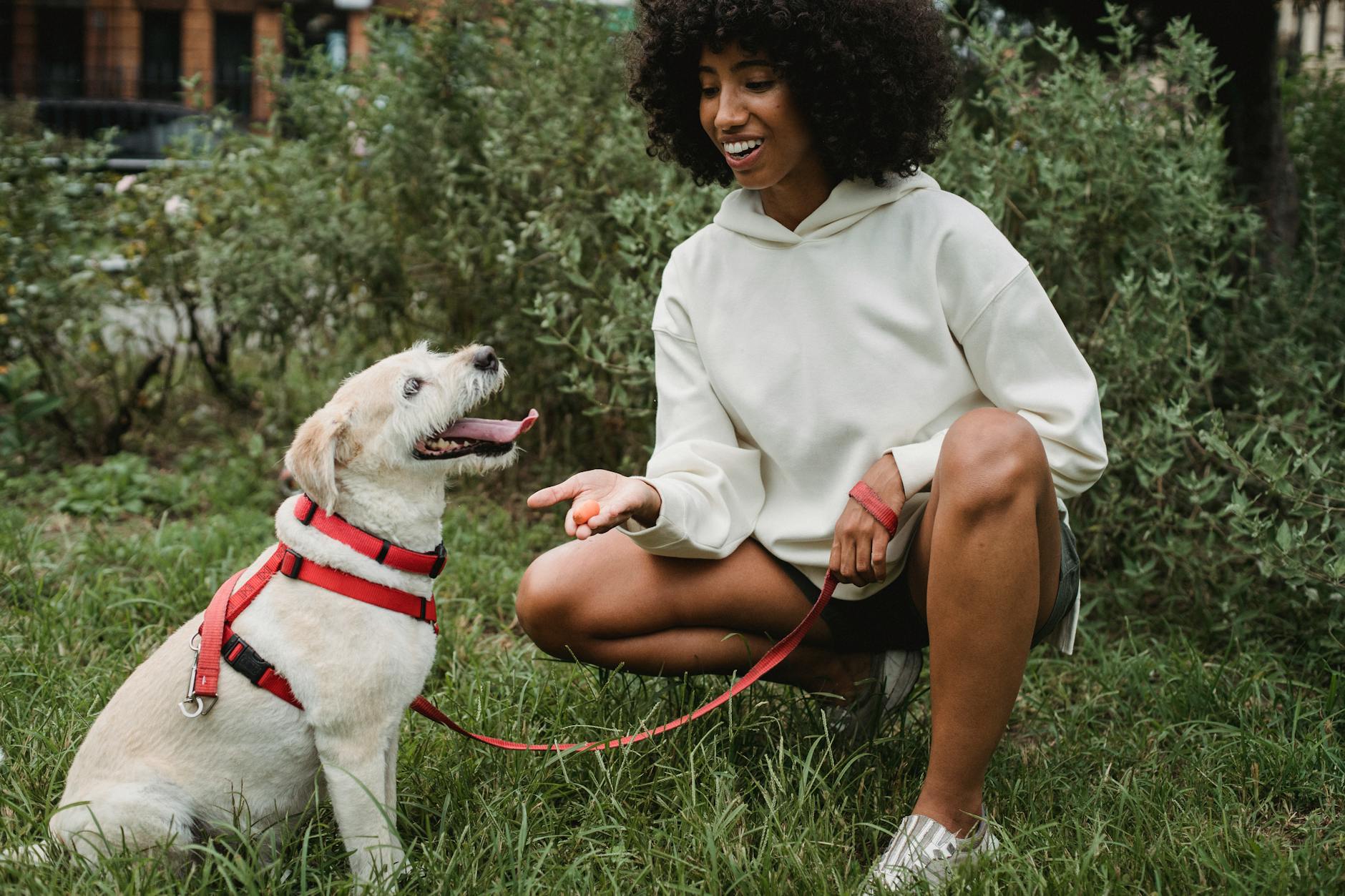
At its heart, positive reinforcement training is about rewarding behaviors you want to see more of. It’s a method that focuses on adding something desirable (a treat, praise, a favorite toy, a game) to increase the likelihood of a desired behavior happening again. Instead of punishing unwanted actions, we teach our dogs what we do want them to do, making learning a positive and engaging experience for them.
How Positive Reinforcement Works
Imagine your dog sits when you ask. You immediately follow that sit with a delicious treat and enthusiastic praise. Your dog quickly learns, “Aha! Sitting when my human asks leads to good things!” This positive consequence reinforces the sitting behavior, making it more probable in the future. The key elements are:
- Identifying the desired behavior: Clearly define what you want your dog to do.
- Timing is everything: The reward must be delivered within 1-3 seconds of the desired behavior for your dog to make the connection.
- High-value rewards: What motivates your dog most? For some, it’s a piece of chicken; for others, a squeaky toy or a vigorous game of tug.
- Consistency: Everyone in the household should use the same cues and reward the same behaviors.
This approach harnesses a dog’s natural desire to learn and earn rewards, fostering a relationship built on trust and cooperation, rather than fear or intimidation. It’s about guiding your dog to make good choices because they want to, not because they’re afraid of the consequences if they don’t.
Why Choose Positive Reinforcement?
Beyond being highly effective, positive reinforcement training offers numerous benefits:
- Builds a stronger bond: When you’re the source of good things, your dog sees you as a safe, benevolent leader, deepening your connection.
- Increases confidence: Dogs learn by succeeding. This method reduces stress and anxiety, creating a confident learner eager to engage.
- More humane: It avoids the use of pain, fear, or intimidation, which can have long-term negative impacts on a dog’s welfare and behavior.
- Long-lasting results: Behaviors learned through positive reinforcement are typically more robust and less likely to break down under stress.
- Suitable for all dogs: From sensitive puppies to boisterous adults, and even dogs with a history of trauma, positive reinforcement adapts to individual needs.
Building Blocks: Puppy Basics & Obedience Foundations
Laying a strong foundation is crucial, especially during puppyhood. This period is a prime window for learning and socialization, setting the stage for a well-adjusted adult dog. However, it’s never too late to start teaching an older dog new tricks with positive reinforcement!
Early Socialization and Exposure
For puppies, safe and positive socialization is paramount. This means exposing them to a variety of sights, sounds, people, and other friendly, vaccinated dogs in a controlled, positive way. The goal isn’t to force interaction, but to create positive associations. Think of it as building a mental resilience toolkit for your puppy.
- Sounds: Introduce them to household noises (vacuum, doorbell), traffic sounds, and even specific sound training tracks. Reward calmness.
- Sights: Expose them to different environments (parks, stores where dogs are allowed), people of all ages and appearances (hats, glasses, uniforms), and moving objects (bikes, strollers).
- Surfaces: Let them walk on grass, concrete, gravel, carpet, wood, and even grates (if safe) to build confidence with varied textures.
- Other dogs/animals: Arrange supervised, positive playdates with calm, vaccinated adult dogs. Avoid dog parks until fully vaccinated and mature.
- Handling: Gently handle their paws, ears, mouth, and tail frequently, rewarding cooperation. This makes vet visits and grooming much easier.
Always ensure these experiences are positive. If your puppy seems overwhelmed, remove them from the situation and try again later at a lower intensity, always pairing the experience with high-value treats.
Essential Basic Cues (Sit, Stay, Come, Leash Manners)
These foundational cues are more than just tricks; they are vital for your dog’s safety, your peace of mind, and their ability to navigate the world politely.
1. Sit:
- Hold a treat near your dog’s nose.
- Slowly move the treat up and back over their head, towards their tail. Their nose will follow, causing their rear to lower to the ground.
- As soon as their bottom touches the floor, say “Yes!” or click, and give the treat.
- Repeat, then start adding the verbal cue “Sit” just as their bottom goes down. Gradually add the cue before the lure.
2. Stay:
- Once your dog can consistently sit, ask for a “Sit.”
- Take one tiny step back, say “Stay,” and then immediately step back to your dog and reward them for remaining in position.
- Gradually increase distance and duration, always returning to reward your dog in position. If they break, calmly reset and try again with less distance/duration.
3. Come (Recall):
- Start in a quiet, distraction-free environment.
- Get down low, say your dog’s name excitedly, followed by “Come!”
- As they approach, make happy noises and open your arms. When they reach you, give them enthusiastic praise and a jackpot of treats.
- Practice frequently in short, fun sessions, gradually increasing distractions and distance once they’re reliable indoors.
4. Leash Manners:
- Start indoors. Put on the leash and collar/harness, reward.
- Walk a few steps, if the leash is loose, mark and reward. If they pull, stop dead still. Only move again when the leash slackens.
- Teach a “check-in” behavior: when they look at you, reward. This encourages attention on walks.
- Keep initial walks short and positive, focusing on rewarding non-pulling behavior, not punishing pulling.
Puppy Training Essentials Checklist
This checklist provides a quick overview of key areas to focus on during your puppy’s formative months to build a strong foundation using positive reinforcement.
- ✓ Enroll in a positive reinforcement puppy class.
- ✓ Practice daily 5-10 minute training sessions with high-value treats.
- ✓ Introduce crate training as a safe, comfortable den.
- ✓ Establish a consistent potty training schedule, rewarding successes generously.
- ✓ Implement gentle bite inhibition training (redirecting nipping to appropriate chew toys).
- ✓ Ensure positive exposure to new sights, sounds, people, and surfaces.
- ✓ Practice gentle handling for grooming, vet checks, and daily care.
- ✓ Teach “Sit,” “Stay,” “Come,” and “Down.”
- ✓ Start loose-leash walking practice in low-distraction environments.
- ✓ Provide a variety of appropriate chew toys to prevent destructive chewing.
Decoding Your Dog: Understanding Canine Body Language
Dogs communicate primarily through body language. Learning to “read” your dog can transform your understanding of their needs, emotions, and intentions, allowing you to respond appropriately and prevent misunderstandings or escalations. Pay attention to their eyes, ears, mouth, tail, and overall body posture.
Happy, Relaxed, and Engaged Signals
- Relaxed posture: Soft, fluid body, not stiff or rigid. Weight evenly distributed.
- Tail: Wagging loosely from side to side (not necessarily high or stiff), or held in a natural, relaxed position.
- Ears: Relaxed, in a neutral position, or slightly perked and attentive without tension.
- Eyes: Soft, almond-shaped, not wide open or staring. A “soft gaze.”
- Mouth: Often slightly open, sometimes with a relaxed “smile,” or a slight pant. No baring of teeth.
- Piloerection (hackles): Smooth coat, no raised fur along the spine.
- Engagement: Making eye contact, responding to cues, playful bows (front end down, rear up).
Stress, Fear, and Arousal Signals
Recognizing these signals early allows you to intervene and protect your dog from uncomfortable or dangerous situations.
- Avoidance/Appeasement:
- Lip licking: Rapid flicking of the tongue.
- Yawning: Out of context (not sleepy).
- Head turning/Averting gaze: Avoiding direct eye contact.
- Freezing: Standing still, rigid.
- Turning away/Walking away: Trying to disengage.
- Cowering/Lowering body: Trying to appear smaller.
- Tail tucked: Held tightly between legs.
- Anxiety/Fear:
- Whale eye: Whites of the eyes visible, especially at the corners.
- Stiff body: Tense muscles, rigid posture.
- Rapid panting: Without exertion.
- Trembling/Shaking: Even if not cold.
- Piloerection: Raised fur on the back or neck.
- Ears flattened/pinned back: Against the head.
- Arousal/Frustration:
- Staring intently: Hard gaze, unblinking.
- Body forward/Tense: Weight shifted forward.
- Tail held high and stiff: May be wagging rapidly in a short arc.
- Growling/Snapping: These are warning signals that should always be respected.
By tuning into your dog’s signals, you can proactively remove them from stressful situations, provide reassurance, and adjust your training approach to better meet their emotional needs. For example, if you see lip-licking and yawning, it might be time for a break from training or to move away from a perceived threat.
Tackling Common Behavior Challenges Humanely
Many common behavior challenges stem from normal canine behaviors that are inconvenient or destructive in a human household. Positive reinforcement offers gentle, effective ways to redirect, manage, and modify these behaviors.
Excessive Barking
Dogs bark for many reasons: attention, boredom, fear, territoriality, alert, or frustration. Identifying the cause is the first step to a solution. Positive reinforcement strategies focus on teaching an alternative, desirable behavior or changing the dog’s emotional response.
- Boredom/Attention: Ensure your dog receives enough physical exercise and mental stimulation. Teach an “Quiet” cue: when your dog barks, wait for a momentary pause, then say “Quiet” and immediately reward. Gradually increase the duration of quiet time before the reward.
- Alert/Territorial: Train an “acknowledge and settle” routine. When your dog barks at a trigger, thank them, redirect their attention to you with a treat, and lead them to a designated “place” like a mat, rewarding them for settling there.
- Fear/Anxiety: If barking is fear-driven, work on desensitization and counter-conditioning. Gradually expose your dog to the trigger (from a distance where they remain calm) while pairing it with high-value treats, changing their emotional association.
Destructive Chewing
Chewing is a natural, essential canine behavior. Dogs chew for exploration, relief during teething, boredom, stress, or to satisfy an innate need. The goal isn’t to stop chewing, but to redirect it to appropriate outlets.
- Provide appropriate chew toys: Offer a variety of durable, safe chew toys (Kongs, puzzle toys, dental chews). Rotate them to keep things interesting.
- Manage environment: “Puppy-proof” your home by removing tempting items (shoes, remote controls, furniture corners) or blocking access.
- Redirect: If you catch your dog chewing something inappropriate, calmly interrupt with a noise, then immediately offer an approved chew toy. Praise enthusiastically when they take the correct item.
- Mental & Physical Exercise: A tired dog is less likely to chew destructively out of boredom or excess energy.
Jumping Up
Dogs jump up for attention, excitement, or greeting. The key to stopping this behavior is to remove the reward (attention) for jumping and reward all four paws on the floor.
- Ignore the jump: When your dog jumps, turn your back, cross your arms, and completely ignore them. No eye contact, no pushing them off.
- Reward “four on the floor”: As soon as your dog’s paws are on the ground, even for a split second, turn back, praise gently, and offer a treat.
- Consistency: Ensure everyone (family, guests) follows this rule. Inconsistent responses confuse the dog.
- Teach an alternative: Teach your dog to “Sit” or “Go to your mat” when greeting people, and reward that behavior.
Leash Pulling
Pulling on the leash is often self-rewarding: the dog pulls, they get to where they want to go faster. Positive reinforcement focuses on rewarding a loose leash.
- Stop-and-go method: As soon as your dog pulls, stop dead still. Wait for the leash to slacken (even a tiny bit), then immediately start walking again. Repeat as often as necessary.
- Reward focus: Reward your dog for walking beside you on a loose leash, especially when they glance up at you voluntarily.
- Change direction: If your dog is consistently pulling towards something, abruptly change direction. This teaches them to pay attention to you.
- Equipment: Use a front-clip harness or head halter as a temporary aid to make pulling less effective, but always pair with training. Avoid punitive collars.
Separation Stress
Dogs experiencing separation stress can exhibit behaviors like barking, howling, destructive chewing, or inappropriate urination when left alone. This is not defiance, but distress.
- Gradual departures: Start with very short absences (a few seconds) and gradually increase the time, always ensuring your dog remains calm.
- Desensitize departure cues: Pick up your keys, put on your coat, etc., without actually leaving, and reward your dog for remaining calm.
- Provide enrichment: Offer a long-lasting, high-value chew toy or a food puzzle right before you leave. This creates a positive association with your departure.
- Avoid dramatic greetings/farewells: Keep hellos and goodbyes low-key to reduce the emotional impact of your coming and going.
- Trainer note: If your dog displays severe separation distress (e.g., self-harm, frantic escape attempts), consult a certified professional dog trainer (CPDT-KA, KPA CTP, or similar) or a veterinary behaviorist. These professionals can provide an accurate assessment, rule out underlying medical issues, and develop a safe, humane, and tailored behavior modification plan. Always consult your veterinarian if you suspect a medical condition is contributing to your dog’s behavior.
Common Behavior Challenges & Positive Solutions
| Behavior Challenge | Likely Motivation/Cause | Positive Reinforcement Solution(s) |
|---|---|---|
| Excessive Barking | Attention, boredom, fear, territoriality, alert, frustration. | Increase exercise/mental stimulation; teach “Quiet” cue; desensitize to triggers; reward calm silence. |
| Destructive Chewing | Exploration, teething, boredom, stress, innate need. | Provide variety of appropriate chew toys; puppy-proof environment; redirect to suitable items; ensure sufficient exercise. |
| Jumping Up | Seeking attention, excitement, greeting. | Ignore jumping (turn back); reward “four on the floor”; teach alternative “Sit” or “Go to mat” greetings. |
| Leash Pulling | Self-rewarding (gets to destination faster), excitement, lack of training. | Stop-and-go method; reward loose leash walking; change direction; use front-clip harness (temporary aid). |
| Mouthiness/Nipping | Puppy play, exploration, seeking attention. | Teach bite inhibition (yelp, disengage, ignore); redirect to appropriate chew toys; ensure adequate rest. |
| House Soiling | Incomplete potty training, marking, medical issue, stress. | Establish consistent potty schedule; reward outdoor successes; clean accidents thoroughly; rule out medical issues with vet. |
| Digging | Boredom, hunting instinct, cooling off, burying treasures. | Increase exercise/mental stimulation; provide designated digging area; supervise outdoors; redirect with toys. |
The Role of Consistency, Patience, and Fun
No matter the behavior you’re teaching or modifying, these three elements are non-negotiable for success with positive reinforcement:
- Consistency: Everyone who interacts with your dog must be on the same page. Use the same cues, the same rules, and the same rewards. Inconsistency is confusing for dogs and slows down learning. Regular, short training sessions (5-10 minutes, 2-3 times a day) are more effective than one long, infrequent session.
- Patience: Learning takes time. Some dogs grasp concepts quickly, others need more repetition. Avoid frustration; if you’re feeling impatient, take a break. Remember that your dog isn’t trying to be difficult; they are simply learning. Celebrate small victories.
- Fun: Training should be a positive, enjoyable activity for both you and your dog. Keep sessions upbeat, use lots of praise, and end on a high note. When training is fun, your dog will be more eager to participate and learn. Incorporate games that reinforce learned behaviors.
When to Seek Professional Help
While positive reinforcement training is highly effective for most common behavior challenges and obedience training, some situations warrant professional intervention. This is particularly true for behaviors that pose a risk to people or other animals, or indicate significant distress in your dog.
Trainer note: If your dog exhibits signs of severe aggression (growling, snapping, biting), sudden changes in behavior, extreme fear, or separation distress that leads to self-harm or property destruction, it is crucial to consult a certified professional dog trainer (CPDT-KA, KPA CTP, or similar) or a veterinary behaviorist. These professionals can provide an accurate assessment, rule out underlying medical issues, and develop a safe, humane, and tailored behavior modification plan. Always consult your veterinarian if you suspect a medical condition is contributing to your dog’s behavior.
Frequently Asked Questions About Positive Reinforcement Training
Here are answers to some common questions about this effective training method:
Q1: Is positive reinforcement just bribing my dog?
A: No, it’s not bribery. Bribery involves offering a reward to get a dog to do something they already know but are refusing to do. Positive reinforcement is about teaching new behaviors by rewarding successes. Once a behavior is learned, you can gradually reduce the frequency of tangible rewards (like treats) and switch to intermittent reinforcement, using praise, play, or life rewards (like opening the door for a walk). The reward follows the behavior, reinforcing it, not luring it.
Q2: How long does it take for positive reinforcement training to work?
A: The timeline varies greatly depending on the individual dog, the complexity of the behavior, your consistency, and the dog’s learning history. Simple cues like “Sit” might be learned in a few sessions, while modifying complex behaviors like severe leash reactivity can take months of dedicated work. The key is patience and consistency; every small step forward is progress.
Q3: What if my dog isn’t food motivated?
A: Not all dogs are driven by food, but most have something they value highly. Experiment with different types of rewards: small pieces of cheese, cooked chicken, freeze-dried treats, or even tiny bits of their regular kibble if they enjoy it. If food isn’t the primary motivator, try toys (squeaky toys, tug, fetch), praise, petting (if they enjoy it), or access to preferred activities (a walk, a game, sniffing a bush). Observe what your dog loves most and use that as your reward.
Q4: Can I use positive reinforcement to stop unwanted behaviors, or just teach new ones?
A: Absolutely! Positive reinforcement is highly effective for addressing unwanted behaviors. Instead of punishing what you don’t want, you teach an alternative, incompatible behavior. For example, instead of punishing jumping, you teach “four paws on the floor” and reward that. For barking, you teach “Quiet.” For chewing, you redirect to appropriate chew toys. It’s about empowering your dog to make better choices.
Q5: Is positive reinforcement training suitable for all dog breeds and ages?
A: Yes! Positive reinforcement is a universal training method that works for all breeds, ages, and temperaments, from tiny puppies to senior dogs, and from highly energetic working breeds to more laid-back companions. Its gentle, trust-building nature makes it adaptable to any dog’s individual needs and learning style, making it particularly beneficial for sensitive dogs or those with a history of negative experiences.
Q6: Do I need special equipment for positive reinforcement training?
A: Generally, no. Basic equipment like a comfortable, well-fitting collar or harness and a standard leash are usually sufficient. A clicker can be a powerful tool for precise timing of rewards, but it’s optional. The most important “equipment” is your positive attitude, patience, and high-value rewards for your dog.
Conclusion
Positive reinforcement dog training is more than just a method; it’s a philosophy that champions a kind, respectful, and deeply connected relationship with your dog. By understanding how your dog learns, communicating clearly through their body language, and consistently rewarding desired behaviors, you’re not just teaching commands—you’re building trust, fostering confidence, and ensuring your canine companion thrives. Embrace the journey with patience, consistency, and a dash of fun, and watch as your dog transforms into a well-behaved, happy, and cherished member of your family. The rewards of a strong, positive bond are immeasurable for both of you.
Ready to deepen your bond and enhance your dog’s skills? Start implementing these positive reinforcement techniques today and witness the incredible potential within your furry friend!
Related Keywords & Phrases
- Dog training tips positive reinforcement
- Puppy obedience training
- How to stop dog barking
- Loose leash walking techniques
- Understanding dog communication
- Best positive dog training methods
- Canine behavior modification
- Puppy socialization tips
- Dealing with dog separation distress
- Effective dog chewing solutions
Suggested Internal Links
- More Dog Behavior & Training Guides
- Essential Dog Care & Health Tips
- Expert Advice on Dog Food & Nutrition
Sources & Further Reading
- The Power of Positive Reinforcement: Building a Stronger Bond with Your Dog
- Basic Obedience Commands Every Dog Should Know
- Reading Your Dog: A Beginner’s Guide to Canine Body Language
- Decoding Your Dog’s Barks: What Are They Trying to Tell You?
- Stop the Chew! Effective Strategies for Managing Destructive Chewing in Dogs
- Jumping for Joy? Not So Fast! How to Teach Your Dog Polite Greetings
- Understanding Dog Leash Etiquette: Preventing Pulling and Promoting Pleasant Walks
- Tackling Separation Stress in Dogs: A Comprehensive Guide
- The Ultimate Guide to Puppy Potty Training Success
- Socializing Your Puppy: A Step-by-Step Guide for Confident Canines