Understanding and Managing Dog Separation Anxiety: A Comprehensive Guide for Owners
Estimated Reading Time: 12-15 minutes
Key Takeaways
- Recognize the Signs Early: Dog separation anxiety manifests as distress behaviors (barking, chewing, soiling) occurring only when the owner is absent. Early identification is key for effective management.
- Multifactorial Roots: Anxiety often stems from sudden routine changes, a history of abandonment, lack of early socialization, or over-attachment. Understanding the cause helps tailor training.
- Desensitization and Counter-Conditioning: Gradual exposure to alone time combined with positive associations (special treats) helps dogs learn that solitude can be calm and positive.
- Holistic Approach: Beyond training, creating a calming environment, ensuring adequate exercise and mental stimulation, and maintaining a consistent routine are crucial for prevention and management.
- Know When to Seek Help: For severe cases or lack of progress, consult a veterinarian, certified professional dog trainer, or veterinary behaviorist. Medication may complement behavior modification.
Table of Contents
- What is Dog Separation Anxiety?
- Recognizing the Signs: Is Your Dog Anxious When You Leave?
- Understanding the Roots: Why Does Separation Anxiety Develop?
- Step-by-Step Training Strategies to Manage Separation Anxiety
- Creating a Calming Environment for Your Anxious Dog
- Lifestyle Adjustments for Prevention and Management
- When to Seek Professional Help for Severe Cases
- Frequently Asked Questions About Dog Separation Anxiety
As a dog owner, few things are more heartbreaking than seeing your beloved companion distressed. When your furry friend exhibits signs of panic or anxiety specifically when left alone, it’s likely they’re experiencing dog separation anxiety. This common behavioral challenge can manifest in various ways, from incessant barking and destructive chewing to house soiling and escape attempts. Recognizing the signs early and understanding the underlying causes are crucial steps toward helping your dog find peace and confidence when you’re not around. This guide from BarkNosh will delve into the nuances of separation anxiety, offering practical strategies and insights to support both you and your canine companion.
What is Dog Separation Anxiety?
Dog separation anxiety is a behavioral condition where a dog experiences extreme distress when separated from their owner or attachment figure. It’s more than just a dog missing their human; it’s a genuine panic response that can be incredibly debilitating for the animal and frustrating for the owner. Unlike a dog that simply gets bored and chews a slipper, a dog with separation anxiety exhibits a consistent pattern of distress behaviors that only occur when they are left alone or perceive that they are about to be left alone.
The intensity of these behaviors can range from mild to severe. In mild cases, a dog might pace or whine for a short period after you leave. In severe cases, dogs may injure themselves in frantic attempts to escape, destroy furniture, or vocalize non-stop for hours. It’s important to differentiate true separation anxiety from other behavioral issues like puppy mischief, house-training lapses, or boredom. A key indicator is that the anxious behaviors only manifest in your absence, not when you are present but occupied. Understanding this distinction is the first step toward effective management.
The condition is often rooted in an over-attachment to the owner, a lack of confidence in being alone, or a history of abandonment or multiple home changes. It’s a complex issue that requires patience, understanding, and a structured approach to help your dog build independence and resilience. The goal is not to eliminate your dog’s affection for you, but to help them feel safe and secure even when you are not physically present, transforming their panic into a calm acceptance of solitude.
Recognizing the Signs: Is Your Dog Anxious When You Leave?
Identifying dog separation anxiety often begins with observing your dog’s behavior when you’re preparing to leave, immediately after you’ve left, and upon your return. Many owners first become aware of the problem through complaints from neighbors about barking, or by discovering damage to their home when they return. However, some signs are more subtle and can be easily missed if you don’t know what to look for. It’s important to rule out other medical or behavioral issues, such as a urinary tract infection causing house soiling, or simple boredom leading to destructive chewing.
A dog experiencing true separation anxiety will typically exhibit a combination of these behaviors, and crucially, they will only occur when the dog is alone. Videotaping your dog when you’re away can be an invaluable tool for accurately diagnosing separation anxiety, as it allows you to observe their unfiltered reactions and the specific timeline of their distress. Pay attention to their body language, too: tucked tails, flattened ears, excessive yawning, lip licking, and dilated pupils can all be indicators of stress even before overt destructive behaviors begin.
Checklist: Signs Your Dog Might Have Separation Anxiety
Review this checklist to see if your dog exhibits common behaviors associated with separation anxiety when left alone:
- Excessive barking, howling, or whining when you leave or are away.
- Destructive chewing, digging, or scratching at doors, windows, or household items specifically when you are absent.
- Urinating or defecating indoors, even if house-trained, only when left alone.
- Pacing back and forth, often in a fixed pattern, or intense vigilance at windows.
- Escape attempts from crates, kennels, or rooms, sometimes resulting in self-injury.
- Drooling excessively, even frothing at the mouth, when alone.
- Obsessive self-licking, particularly paws, to the point of irritation or skin lesions.
- Hyper-attachment or “shadowing” you when you are home, following you from room to room.
- Anxious greetings upon your return (e.g., intense excitement, frantic jumping, submissive urination).
- Refusal to eat food or treats left for them while you are away.
If your dog regularly exhibits several of these behaviors when left alone, it’s a strong indication that they are struggling with separation anxiety.
Understanding the Roots: Why Does Separation Anxiety Develop?
The development of dog separation anxiety is often multifactorial, meaning there isn’t usually a single cause but rather a combination of contributing factors. Understanding these potential roots can help tailor your management and training approach, making it more effective. It’s rarely the owner’s “fault,” but rather a complex interplay of a dog’s genetic predisposition, early experiences, and environmental changes.
One common factor is a sudden change in routine. This could be anything from an owner switching to a new work schedule, children leaving for college, or a move to a new home. Dogs thrive on predictability, and disruption to their established rhythm can be unsettling. A history of abandonment, rehoming, or multiple changes in ownership can also make a dog more susceptible, as they may develop a deep-seated fear of being left alone again. For some dogs, a traumatic event while alone, such as a loud storm or an intruder, can trigger anxiety about being isolated.
Additionally, a lack of early socialization can play a role. Puppies who are not gradually accustomed to being alone for short periods or exposed to various environments, sounds, and people, may not develop the necessary coping mechanisms. Similarly, an overly dependent relationship with an owner, where the dog is never given the opportunity to be independent, can foster an unhealthy attachment. It’s a delicate balance between providing love and security, and fostering resilience and self-reliance. It’s also worth noting that certain breeds, particularly those bred for companionship or who are naturally more sensitive, may be predisposed to developing separation anxiety, though it can affect any dog.
Step-by-Step Training Strategies to Manage Separation Anxiety
Managing dog separation anxiety requires a structured, patient, and consistent training approach. The core strategy revolves around desensitization and counter-conditioning, gradually teaching your dog that being alone is not a cause for panic, but rather a normal and even positive experience. This is a marathon, not a sprint, and progress may be slow, but consistency is key.
1. Desensitize to Departure Cues: Dogs learn to associate certain actions with your departure (picking up keys, putting on shoes, grabbing your bag). Start by performing these actions randomly throughout the day without leaving. Pick up your keys, then put them down and sit on the couch. Put on your coat, then go make a coffee. The goal is to strip these cues of their anxiety-provoking meaning.
2. Practice Gradual Departures (Desensitization): This is the most critical step. Start by leaving your dog alone for very short periods, literally seconds, and gradually increase the duration.
- Walk out the door, close it, and immediately come back in. Repeat this several times a day.
- Once your dog is calm with that, increase to 30 seconds, then 1 minute, then 2 minutes, and so on.
- Only return when your dog is calm and quiet. If they are barking or panicking, wait for a momentary lull before re-entering, otherwise, you might inadvertently reward the anxious behavior.
- Use a camera to monitor their behavior during these practice departures.
- Do not make a big fuss when leaving or returning. Keep departures and arrivals low-key to minimize the emotional charge.
3. Implement Counter-Conditioning: Associate your departure with something highly positive.
- Before leaving, give your dog a special, long-lasting treat or puzzle toy that they only get when you’re away (e.g., a Kong stuffed with frozen peanut butter or cream cheese). This helps create a positive association with your absence.
- Remove these special treats as soon as you return, so they retain their novelty and value.
4. Create a Safe and Secure “Den”: A crate, if properly introduced and positively associated, can become a safe haven for your dog. It should never be used for punishment.
- Introduce the crate gradually with treats, toys, and praise.
- Never force your dog into the crate.
- Ensure the crate is comfortable and not too large, mimicking a natural den.
5. Promote Independence While You’re Home:
- Encourage your dog to spend time in a different room while you’re home.
- Don’t respond to every demand for attention; teach them to settle independently.
- Practice “settle” commands in various locations.
Consistency is paramount. If you push too far too fast, you risk setbacks. It’s better to take tiny steps and ensure success than to jump ahead and trigger panic. If you have to leave your dog for longer periods during the training process, consider arranging a dog sitter, daycare, or having a friend check in, to avoid reinforcing the anxious behavior.
Creating a Calming Environment for Your Anxious Dog
Beyond specific training protocols, creating a consistently calming environment can significantly aid a dog struggling with separation anxiety. Your home should feel like a sanctuary, a place of safety and predictability, rather than a trigger for panic. This involves addressing sensory inputs and providing outlets for appropriate behavior when you are not around.
One primary strategy is to designate a “safe space” for your dog. This could be their crate (if they are comfortable with it), a specific room, or a cozy bed in a quiet corner of the house. This space should be consistently available and associated with positive experiences. Ensure it’s comfortable, perhaps with a familiar blanket or an unwashed item of your clothing that carries your scent, which can be reassuring. Keep this area free from potential dangers or items that could be damaged.
Sensory enrichment can also play a vital role. Many dogs benefit from background noise that masks outside sounds and provides a sense of presence. Calming music specifically designed for dogs, classical music, or even talk radio can be helpful. Some owners also find success with pheromone diffusers or calming sprays (like Adaptil), which release synthetic canine appeasing pheromones believed to have a soothing effect on dogs. These are not cures, but they can create an atmosphere conducive to relaxation and may reduce the intensity of anxiety.
Mental stimulation is another often-overlooked aspect. A tired dog, both physically and mentally, is often a calmer dog. Before you leave, ensure your dog has had adequate exercise appropriate for their breed and age. This could be a brisk walk, a game of fetch, or a training session. Once physically tired, provide mentally engaging toys that require focus and effort, such as puzzle feeders or KONGs filled with frozen treats. These can keep their minds occupied for a significant period, diverting their attention from your absence and making them less likely to engage in destructive behaviors driven by anxiety or boredom. Consistency in providing this stimulating environment will reinforce a sense of routine and security.
Lifestyle Adjustments for Prevention and Management
Managing dog separation anxiety isn’t just about what happens when you leave; it’s also about the broader lifestyle you provide for your dog. Holistic adjustments to their daily routine, diet, and interaction patterns can significantly contribute to their overall well-being and reduce the likelihood or severity of anxiety when left alone. These adjustments aim to build a dog’s confidence, promote independence, and ensure their fundamental needs are consistently met.
Consistent routine is paramount. Dogs thrive on predictability. Establishing a consistent schedule for feeding, walks, playtime, and potty breaks can reduce uncertainty and give your dog a sense of security. Irregular schedules can heighten anxiety, as the dog may constantly wonder when the next event will occur or when you might leave. By knowing what to expect, your dog can feel more in control and less stressed.
Adequate exercise and mental stimulation are also critical. A dog that is under-exercised or mentally bored is more prone to anxiety and destructive behaviors. Ensure your dog receives daily physical activity that matches their breed and energy level. Beyond physical exercise, incorporate mental games, obedience training, and puzzle toys. These activities tire a dog’s mind, making them more likely to rest calmly when left alone. Engaging their natural instincts through activities like scent work or retrieving can be particularly effective in building confidence and reducing nervous energy.
Diet and nutrition can play an indirect but important role. A balanced, high-quality diet supports overall health, which in turn supports mental well-being. Some owners explore calming supplements, often containing ingredients like L-Tryptophan, chamomile, or valerian root, which may help promote relaxation. However, it’s crucial to discuss any dietary changes or supplements with your veterinarian to ensure they are appropriate and safe for your dog. Always remember that supplements are complementary and not a standalone solution for separation anxiety.
Table: Calming Aids and Strategies for Dogs with Separation Anxiety
| Aid/Strategy | Description | How it Helps | Considerations |
|---|---|---|---|
| Puzzle Toys/Food Dispensers | Toys that require dogs to work for treats (e.g., KONGs, snuffle mats). | Provides mental stimulation and distraction, turning alone time into a positive, engaging activity. | Must be high-value and only offered when alone; ensure it’s durable and safe. |
| Calming Pheromone Diffusers/Sprays | Release synthetic versions of canine appeasing pheromones. | Mimics natural calming signals, creating a more relaxed environment. | Not a standalone solution; effectiveness varies by individual dog. |
| Weighted Vests/ThunderShirts | Garments designed to apply gentle, constant pressure to a dog’s torso. | Provides a feeling of security and comfort, similar to swaddling a baby. | Introduce gradually; ensure proper fit to avoid discomfort or overheating. |
| Calming Music/White Noise | Specially composed music for dogs, classical music, or ambient sounds. | Masks startling external noises and creates a peaceful auditory environment. | Experiment with different sounds to find what your dog responds to best. |
| Supplements (e.g., L-Theanine, L-Tryptophan) | Nutritional supplements that may promote relaxation and reduce anxiety. | Can help support a calmer disposition when combined with training. | Always consult your veterinarian before administering any supplements. |
| Security Cameras/Monitors | Allows you to observe your dog’s behavior while you’re away. | Crucial for accurate diagnosis, monitoring progress, and guiding training intensity. | Helps ensure you return only when the dog is calm during desensitization. |
When to Seek Professional Help for Severe Cases
While many cases of mild to moderate dog separation anxiety can be managed with consistent owner-led training and environmental adjustments, there are situations where professional intervention becomes not just beneficial, but essential. Recognizing when it’s time to call in the experts can prevent the condition from worsening and ensure your dog receives the most effective support possible.
You should consider seeking professional help if:
- Your dog’s anxiety is severe, leading to self-injury (e.g., broken teeth or nails from escape attempts), significant property destruction, or excessive vocalization that impacts your living situation.
- Despite consistent application of desensitization and counter-conditioning techniques, you see little to no improvement, or the problem seems to be getting worse.
- You feel overwhelmed, frustrated, or unable to cope with your dog’s anxiety, which can unfortunately strain the bond between you and your pet.
- Your dog exhibits other complex behavioral issues alongside separation anxiety, such as aggression, resource guarding, or extreme fearfulness, which require a more comprehensive approach.
- You suspect underlying medical conditions may be contributing to or mimicking anxiety symptoms (e.g., pain, cognitive dysfunction in older dogs, hormonal imbalances).
The professionals who can help include:
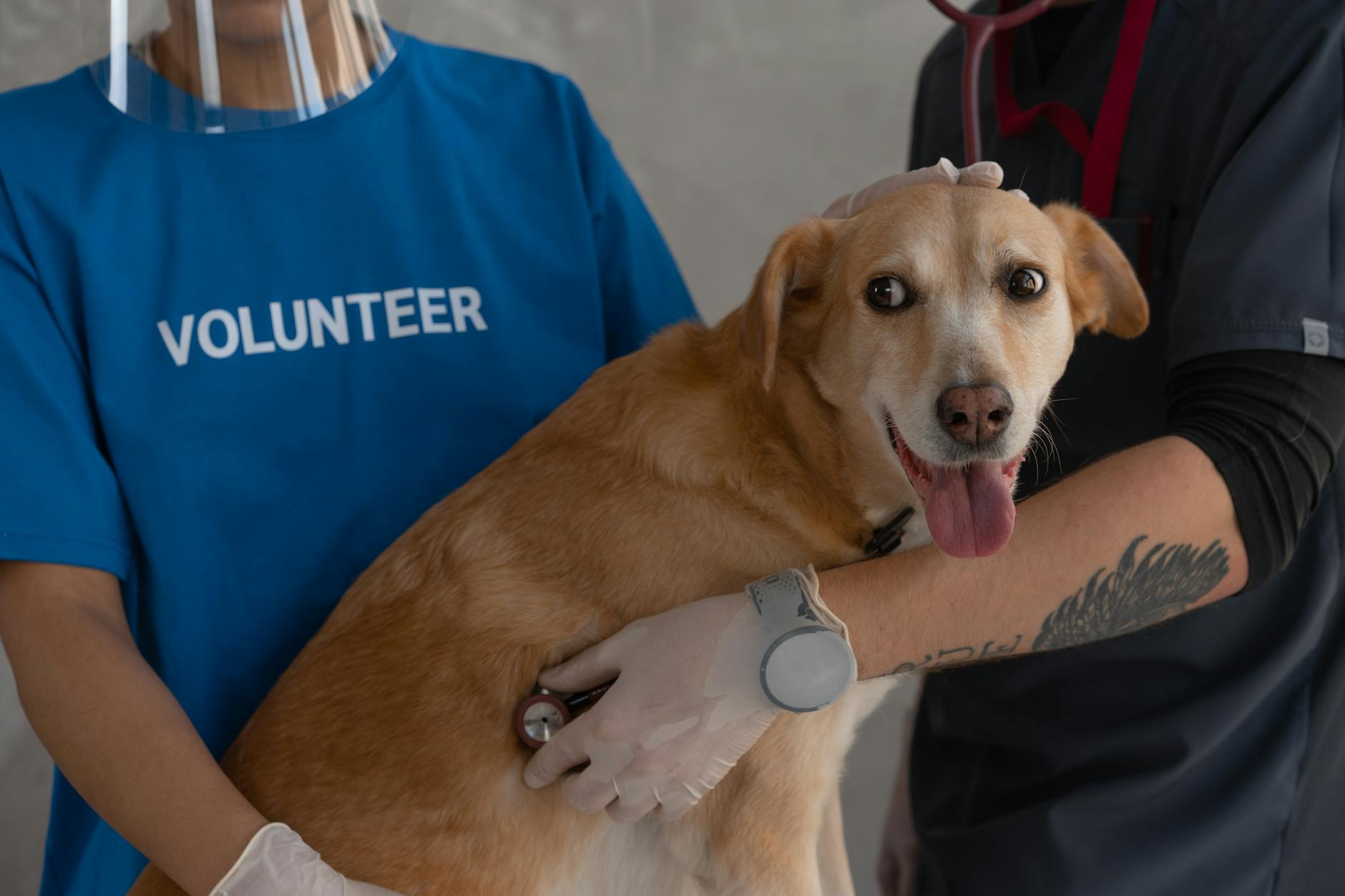
- Veterinarians: Your first stop should always be your vet. They can rule out any medical conditions that might be causing or exacerbating the anxiety. In some severe cases, a veterinarian may recommend anti-anxiety medication in conjunction with a behavior modification plan. Medication is rarely a standalone solution but can significantly lower a dog’s anxiety threshold, making them more receptive to training.
- Certified Professional Dog Trainers (CPDT-KA): For less severe cases, a certified dog trainer specializing in behavior can provide guidance on implementing desensitization and counter-conditioning techniques effectively. Look for trainers who use positive reinforcement methods and have experience with anxiety.
- Certified Applied Animal Behaviorists (CAAB or ACAAB) or Veterinary Behaviorists (DACVB): These are highly qualified professionals with extensive education and experience in animal behavior. Veterinary behaviorists are veterinarians who have specialized in behavior and can prescribe medication. Behaviorists are best suited for severe, complex, or persistent cases of separation anxiety. They can develop a tailored behavior modification plan and address any underlying psychological factors.
Working with a professional provides tailored guidance, helps you stay on track, and can often accelerate progress. They offer an objective perspective, identify potential pitfalls, and adjust strategies as needed. Remember, getting help is a sign of responsible pet ownership and a commitment to your dog’s well-being.
Frequently Asked Questions About Dog Separation Anxiety
Q: Can dog separation anxiety be completely cured?
A: While “cure” might be too strong a word, as dogs often retain a predisposition, separation anxiety can be very effectively managed and significantly reduced. With consistent training, environmental adjustments, and sometimes professional intervention, many dogs can learn to be comfortable and calm when left alone. The goal is to help your dog develop coping mechanisms and a sense of security.
Q: How long does it take to train a dog with separation anxiety?
A: There’s no fixed timeline, as it varies greatly depending on the dog’s individual temperament, the severity of the anxiety, and the consistency of the training. Mild cases might show improvement in a few weeks, while severe cases could take several months or even a year of dedicated work. Patience and consistency are crucial, and setbacks can occur but are part of the process.
Q: Are certain dog breeds more prone to separation anxiety?
A: While any dog can develop separation anxiety, some anecdotal evidence suggests that certain breeds known for their strong attachment to humans or those prone to general anxiety, such as Labrador Retrievers, German Shepherds, Border Collies, and various toy breeds, may be more susceptible. However, a dog’s individual history, genetics, and early experiences play a much larger role than breed alone.
Q: What about medication for dog separation anxiety?
A: Medication can be a valuable tool in managing severe cases of separation anxiety, but it is rarely a standalone solution. Anti-anxiety medications, prescribed by a veterinarian or veterinary behaviorist, can help reduce a dog’s overall anxiety levels, making them more receptive to behavior modification training. They work best in conjunction with a comprehensive training plan and should always be discussed thoroughly with your vet.
Q: Can I leave my anxious dog in a crate?
A: It depends. For some dogs, a properly introduced and positively reinforced crate can become a safe, den-like space that helps them feel secure when alone. However, for other dogs, especially those with severe anxiety or a history of negative crate experiences, being confined can intensify their panic, leading to self-injury or frantic escape attempts. If your dog panics in a crate, it should not be used. Always introduce crating gradually and positively.
Q: Does getting another dog help with separation anxiety?
A: Rarely. While it might seem intuitive that a companion would ease loneliness, separation anxiety is about the bond with a specific human, not just about being alone. In many cases, adding another dog does not resolve the issue and can sometimes lead to two anxious dogs or new behavioral challenges. It’s best to address the individual dog’s anxiety first before considering another pet.
Q: Is it okay to punish my dog for destructive behavior caused by anxiety?
A: No, punishing a dog for behaviors stemming from separation anxiety is counterproductive and harmful. These behaviors are not acts of defiance but manifestations of panic and distress. Punishment will only increase your dog’s anxiety, erode trust, and likely worsen the problem. The goal is to alleviate their fear, not to make them more afraid.
Veterinary Note:
The information provided in this article is for educational purposes only and is not intended to be a substitute for professional veterinary advice. If you suspect your dog is suffering from separation anxiety or any other health or behavioral issue, please consult with your veterinarian. A professional can provide an accurate diagnosis, rule out underlying medical conditions, and help you develop a tailored treatment plan for your specific dog’s needs. Never self-diagnose or administer medication without veterinary guidance.
Conclusion
Living with a dog who experiences separation anxiety can be challenging, but it’s a journey you don’t have to embark on alone. By understanding the nature of dog separation anxiety, recognizing its signs, and applying consistent, positive reinforcement training strategies, you can make a profound difference in your dog’s life. Remember that patience, empathy, and persistence are your greatest tools. Celebrate small victories, be prepared for occasional setbacks, and always prioritize your dog’s emotional well-being.
Helping your dog overcome their fear of being alone fosters a deeper bond of trust and confidence, allowing them to lead a happier, more secure life. With dedication and the right resources, you can empower your beloved companion to feel safe and calm, even when you’re away.
Sources & Further Reading
- Understanding Dog Anxiety: Causes and Symptoms
- Training Your Dog for Car Rides: A Step-by-Step Guide (Relevant for desensitization principles)
- Crate Training Benefits and Best Practices (Relevant for creating a safe space)
- Recognizing Stress Signals in Dogs
- Handling Hyperactivity in Young Dogs (Relevant for exercise and mental stimulation)
- Nutrition for Anxious Dogs: What to Feed (Relevant for diet and supplements)
- Creating a Safe Space for Your Dog at Home
- When to Consult a Professional Dog Trainer or Behaviorist
- Preventing Destructive Chewing in Dogs (Relevant for anxiety manifestation)
Related Keywords & Phrases
- Canine anxiety when alone
- Dog distress while owner is away
- Anxious dog behaviors
- Training dog to be alone
- Dog separation issues solutions
- Calming aids for dogs
- Behavior modification for dogs
- Helping dog with loneliness
- Positive reinforcement for anxious dogs
- Veterinary behavioral help